Ball Game Square, Ericeira
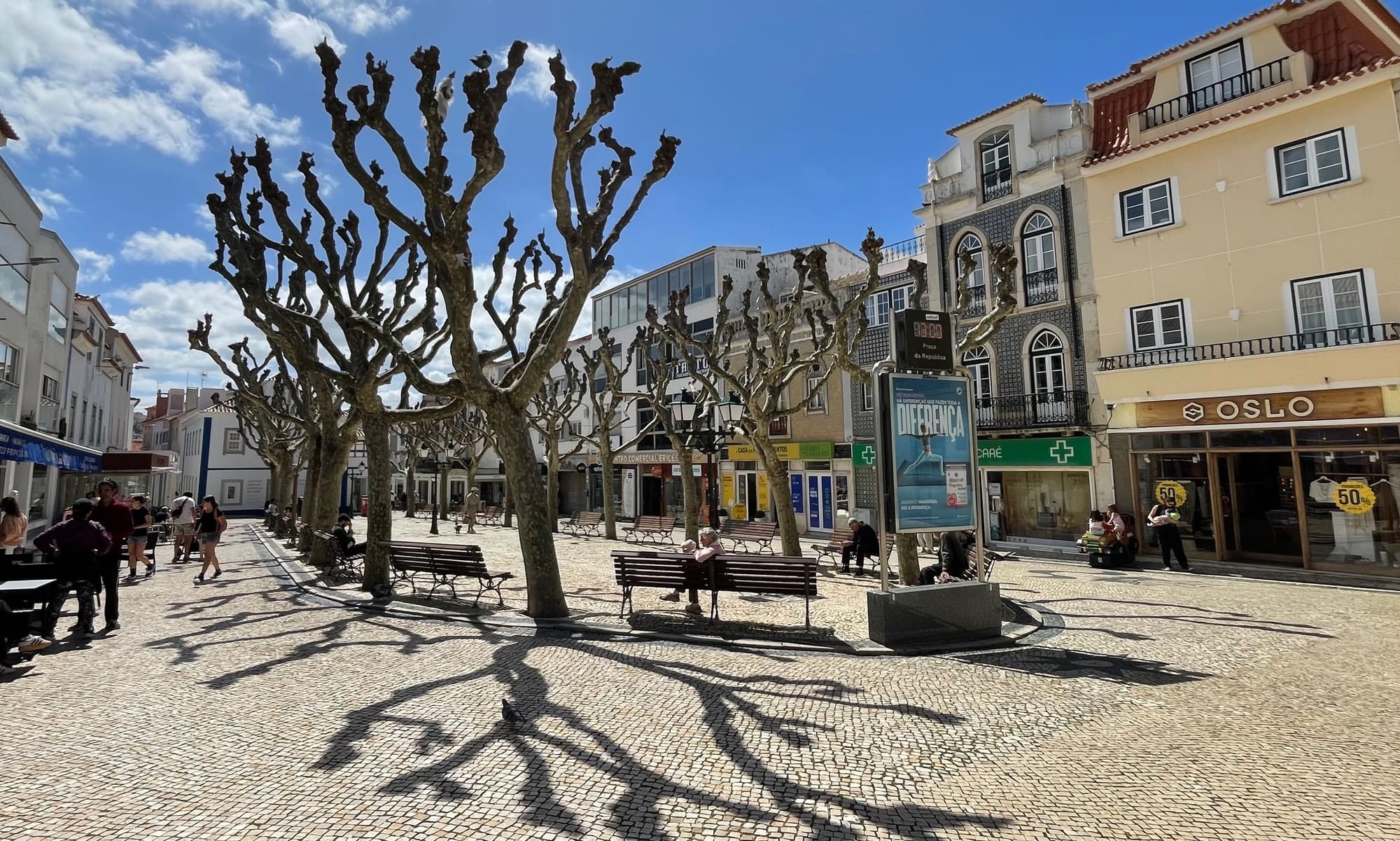
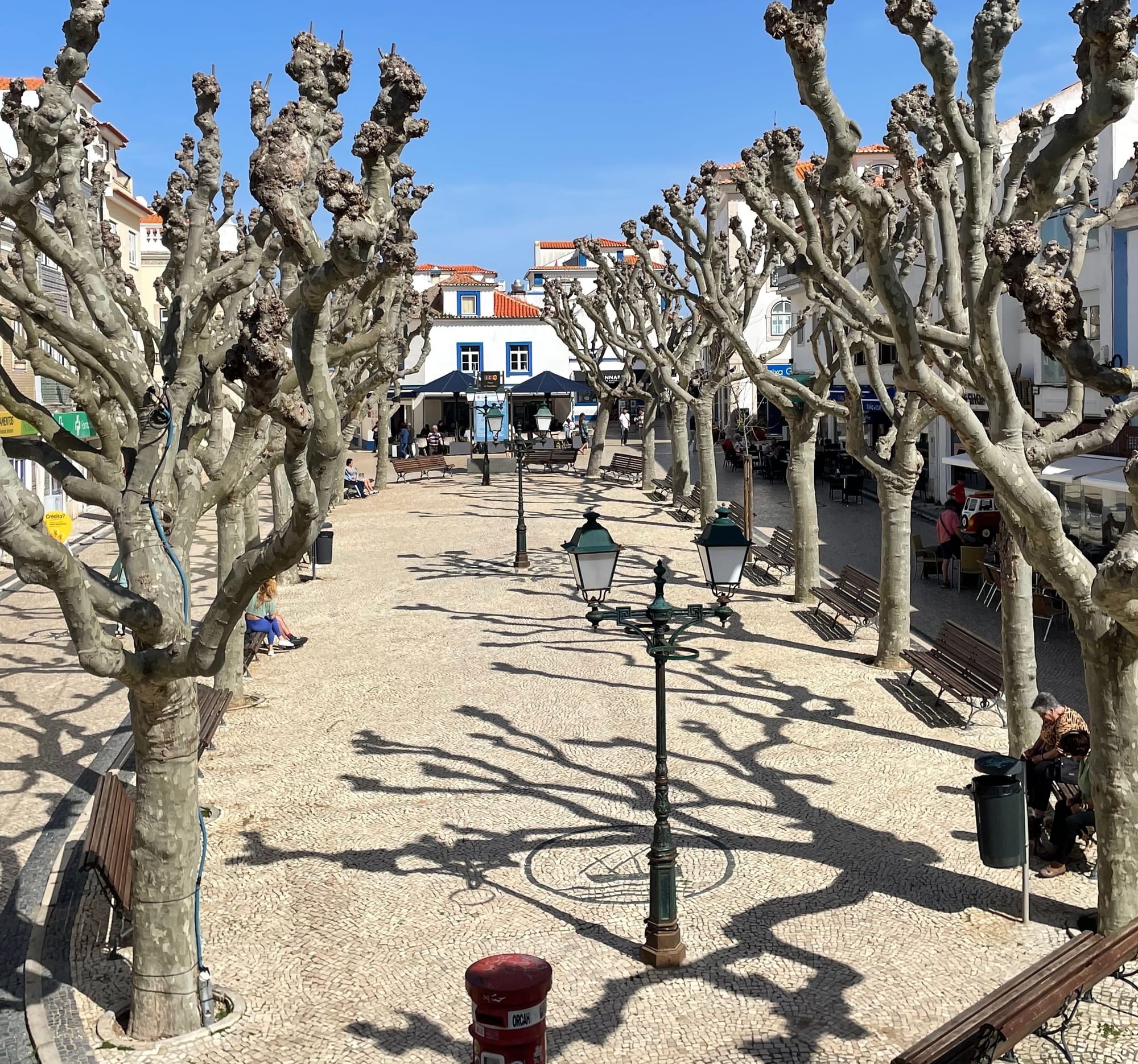
Today it is called Praça da República, but everyone knows it as Jogo da Bola — the beating heart of the village between beach and fields.
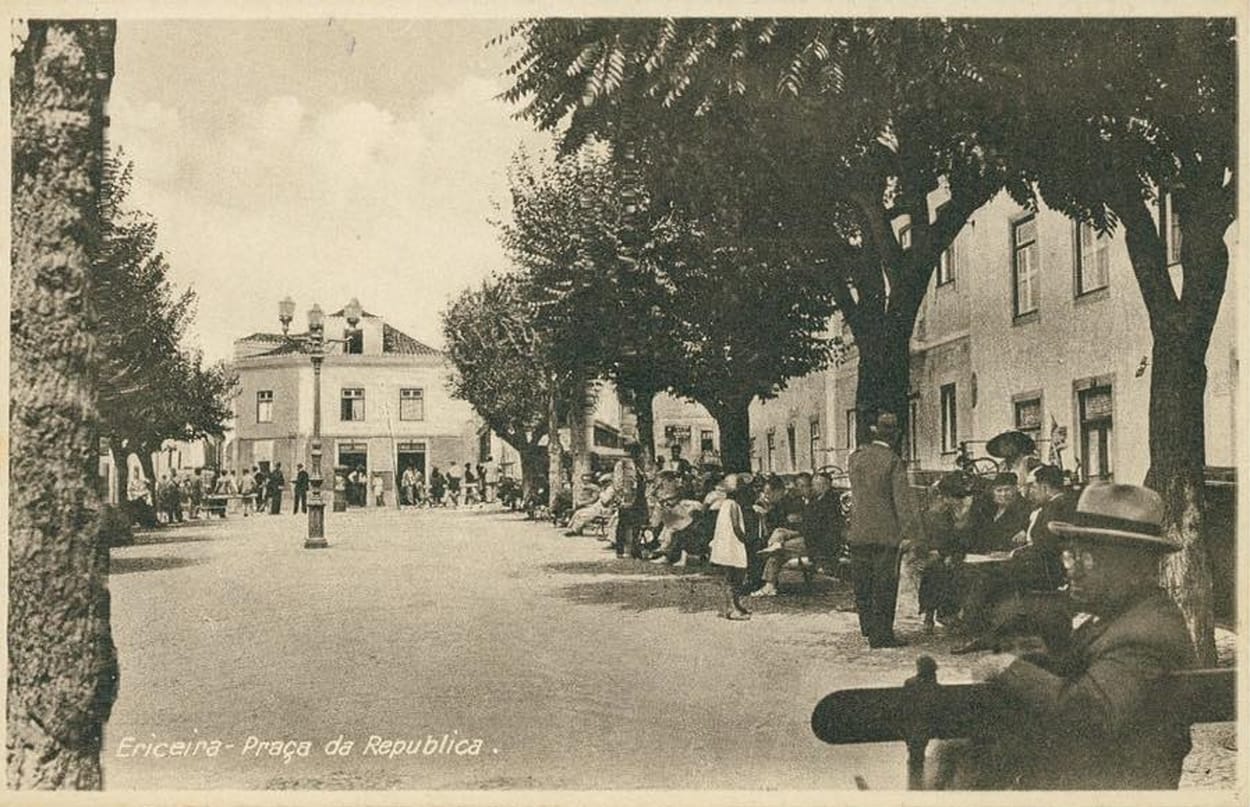
Today it is called Praça da República, but everyone knows it as Jogo da Bola. Once a largo, now a praça. It has had many names — and always kept the same role: the beating heart of the village, by the sea, between the sand of the beaches and the fields of Mafra.
Origins and the Sixteenth to Eighteenth Centuries
In its origins, the name Largo do Jogo da Bola had nothing to do with football. It was the stage for a then popular game consisting of throwing a heavy wooden ball (of olive or pine), about 20 to 25 cm in diameter, against wooden pins likewise arranged on a stone square in groups of 9 or 12 — a cross between pétanque and bowling, with the aim of knocking down the greatest number of pieces.
In the centre of the square stood a stone chest with an iron lid and lock. Players paid there “o barato” — a small fee for hiring the ground. The money collected went to the Irmandade das Almas, established at Igreja de São Pedro, in the square of the same name. For that reason this pastime also became known as Jogo das Almas.
It is said that even the paving stones knew the sound of the ball rolling.
During the sixteenth and seventeenth centuries the game became so popular that it was eventually forbidden to nobles, knights, craftsmen and working men. They said it was a vice, a danger, a distraction. It even led to conflicts and tragedies. In 1656 two counts quarrelled in the heat of a game — one of them was fatally wounded.
By the eighteenth century, Jogo da Bola remained in fashion at several places in the country: Arouca, Santa Cruz de Coimbra, Mafra, Ericeira.
Of all the playing grounds then in existence, only one has reached us in good condition: that of the Mafra friars, in Jardim do Cerco.
A “royal” wedding
The year was 1585, and the square found itself involved in an unusual ceremony…
Mateus Álvares, a false D. Sebastião, appeared at a small chapel in São Julião, three kilometres from the village. Mounted on horseback, he entered Jogo da Bola to meet Ana Susana, daughter of an important farmer. Dressed in sky blue, also on horseback, she was crowned queen with a crown taken from an image of the Virgin. They married right there, before the people.
Later the false king gathered an army of a thousand men, but was captured, hanged, beheaded and quartered. Many of his followers were executed — some on the feared Rua do Alto da Forca.
Nineteenth Century
The end of Ericeira’s independence
Even today some remember the indignant voices in Largo do Pelourinho…
On 24 October 1855, Ericeira lost its independence. It was annexed to the municipality of Mafra, ending 626 years of autonomy. At the time the village showed greater economic and social dynamism than Mafra, being then the country’s fourth largest port, after Lisbon, Porto and Setúbal.
The decision was received with revolt by the people of Ericeira, who gathered in Largo do Pelourinho in protest. From that date, street names became the responsibility of Mafra Municipal Council.
Paving and tree planting
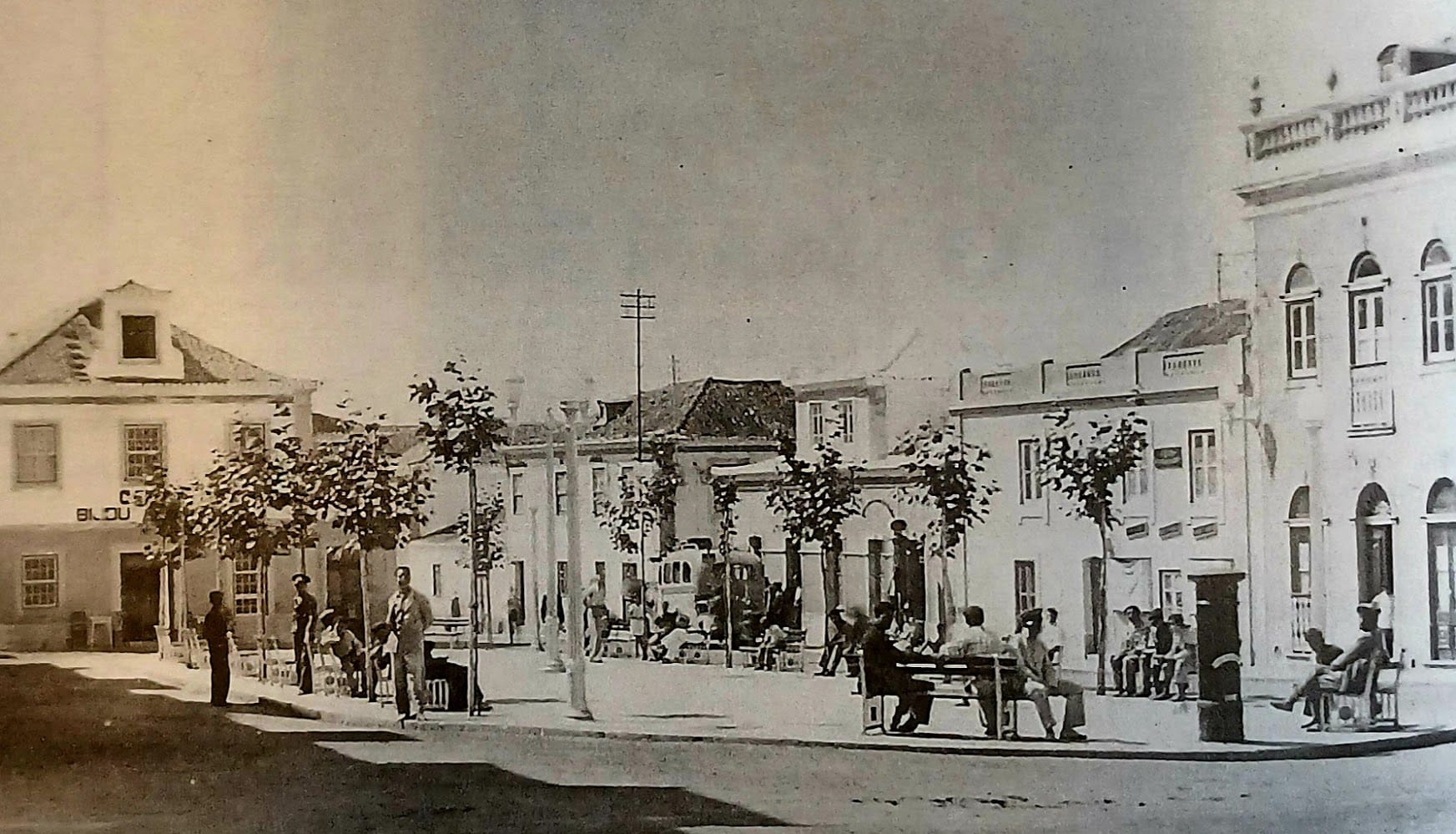
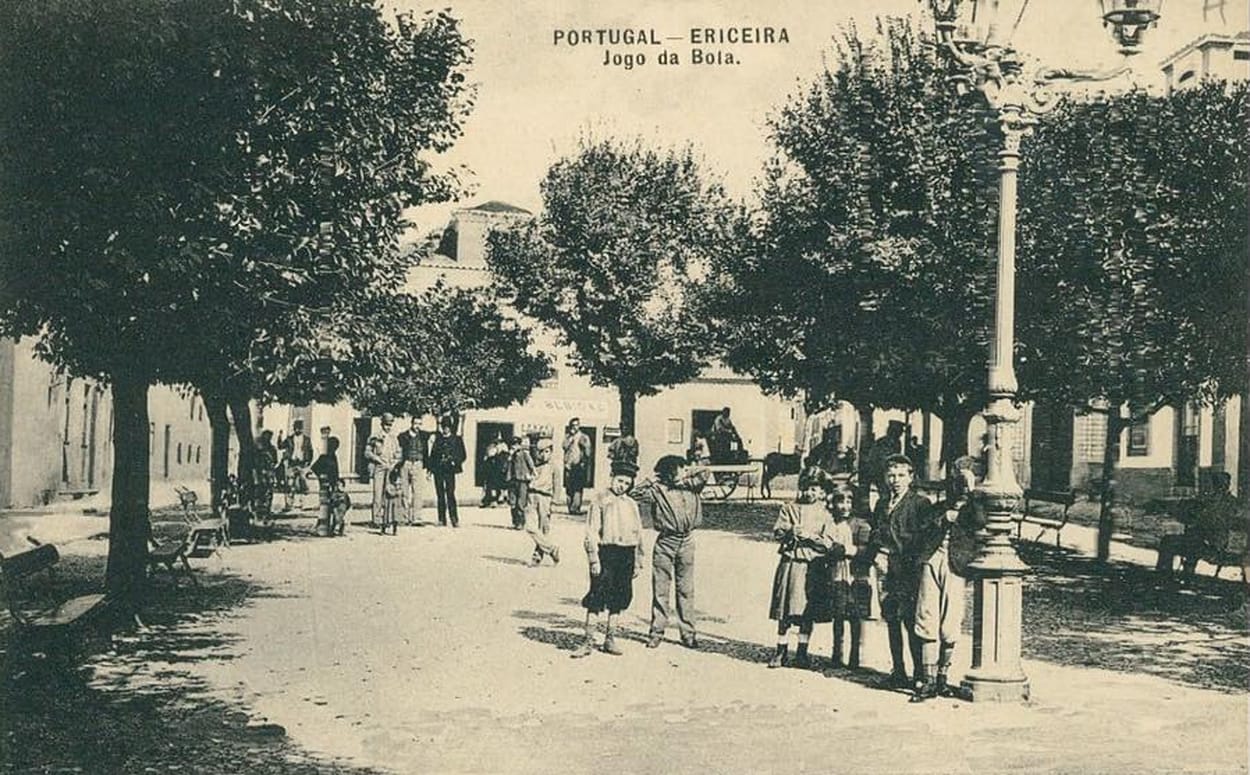
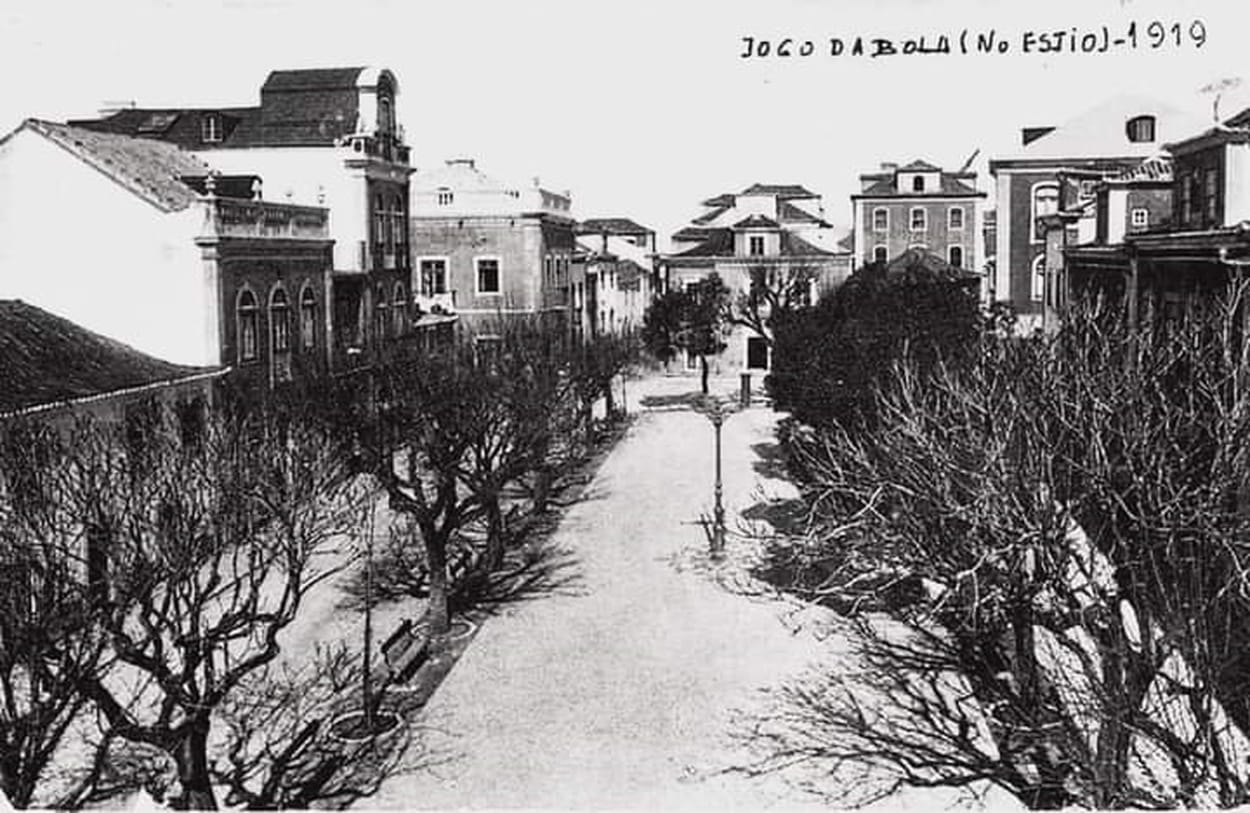
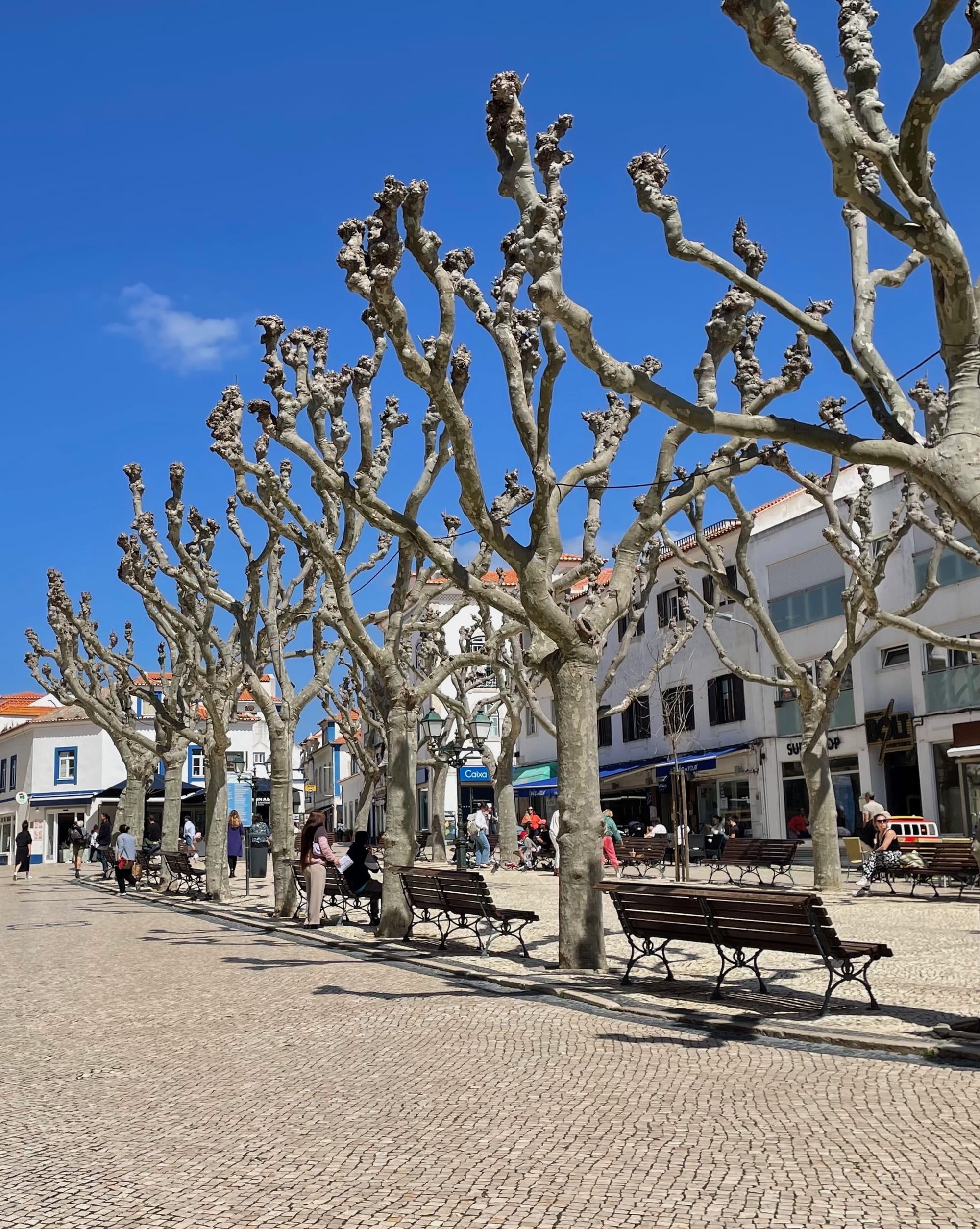
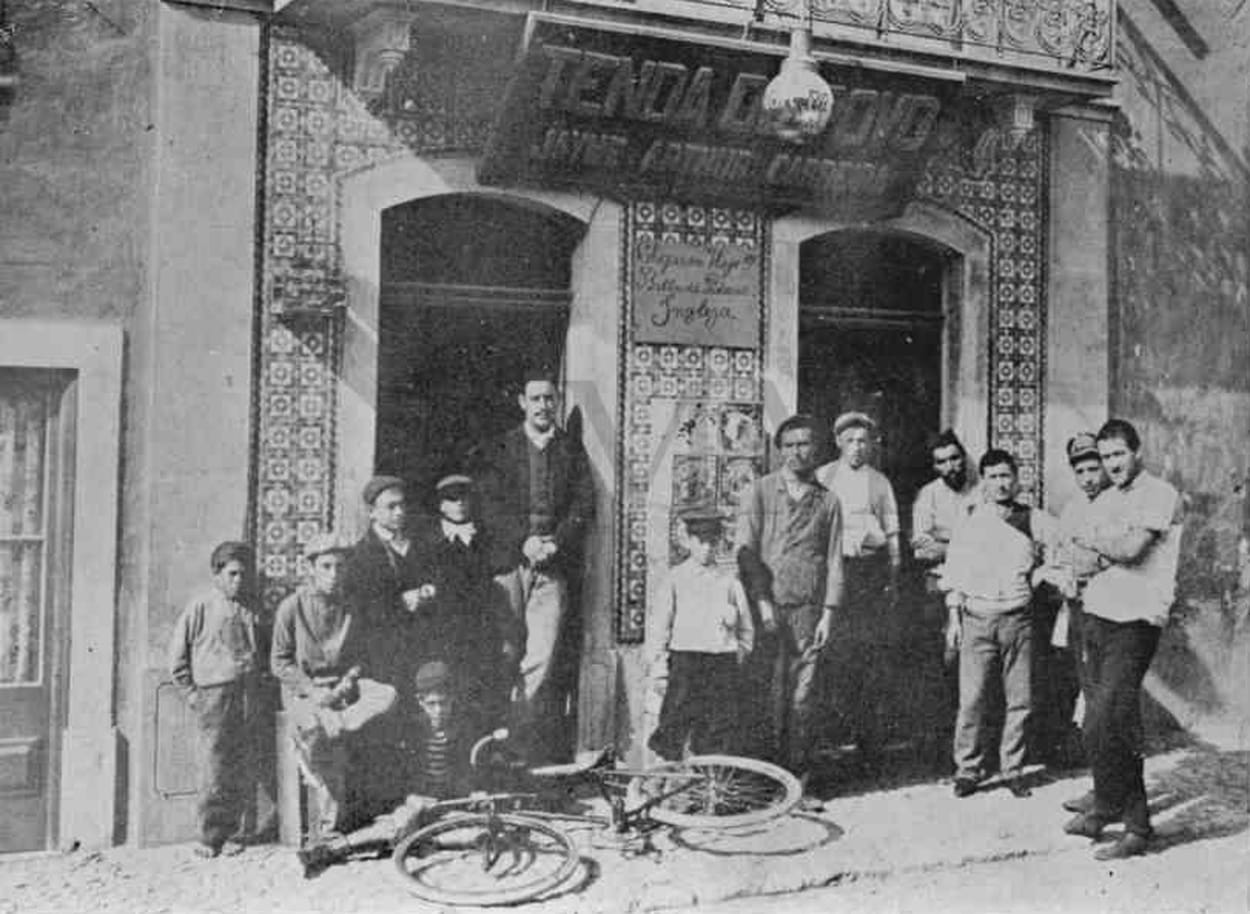
With Ericeira’s economic growth, Jogo da Bola gained new life. In 1865 the stone chest was buried, beaten earth gave way to paving, and the square was planted with trees. New shops opened and the space became a central point of commerce and leisure.
Largo Dona Amélia
On 22 May 1886, at the Palácio de Belém, the marriage was celebrated between Prince D. Carlos and Princess D. Amélia of Orléans. The religious ceremony took place at Igreja da Ajuda, with great pomp, following royal protocol. D. Amélia became Princess Royal of Portugal and, later, Queen Consort when D. Carlos ascended the throne in 1889.
Mafra Council decided to give the square the official name Largo Dona Amélia. But the population resisted — and the name Jogo da Bola remained firm in popular vocabulary.
1910s to 1930s
Praça da República
With the Republic, the official name changed — but the people’s never did.
With the establishment of the Republic in 1910, the square was officially renamed Praça da República. However, the name Jogo da Bola resisted strongly — and remains, to this day, on people’s lips, passed from generation to generation as a mark of identity.
The first buses (1914)
Whoever heard the engine roar for the first time in the square never forgot.
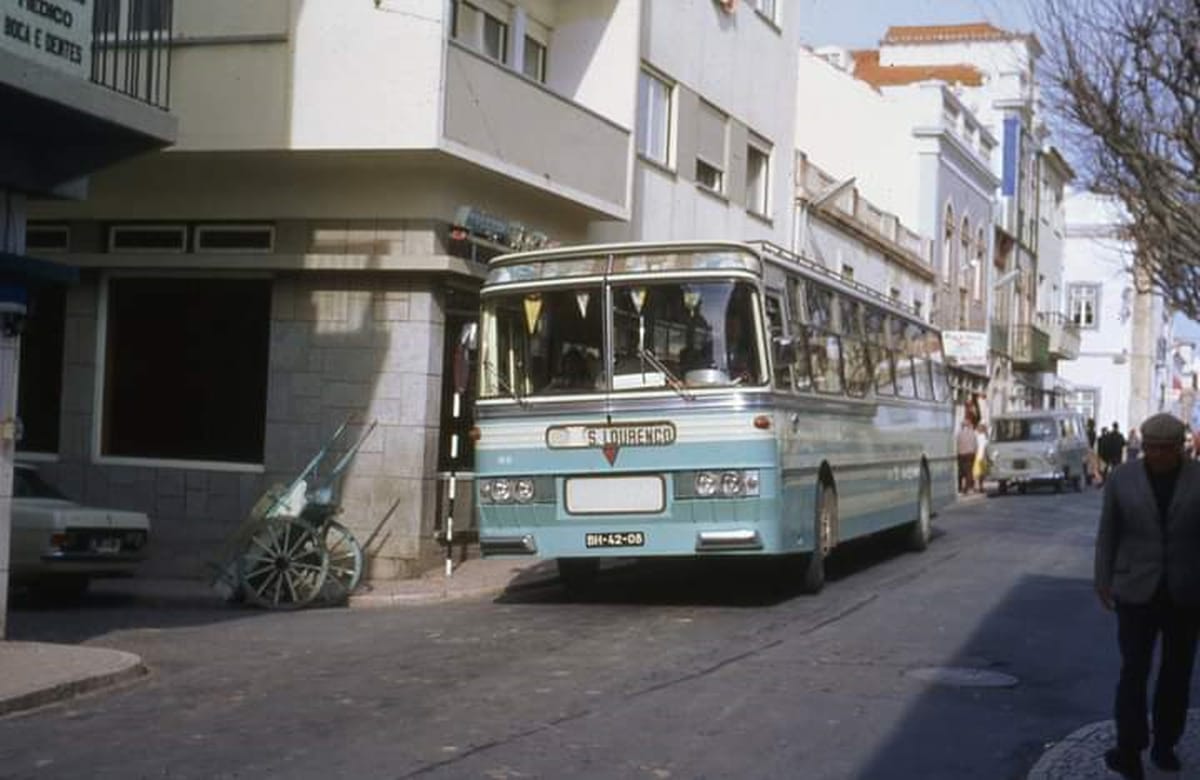
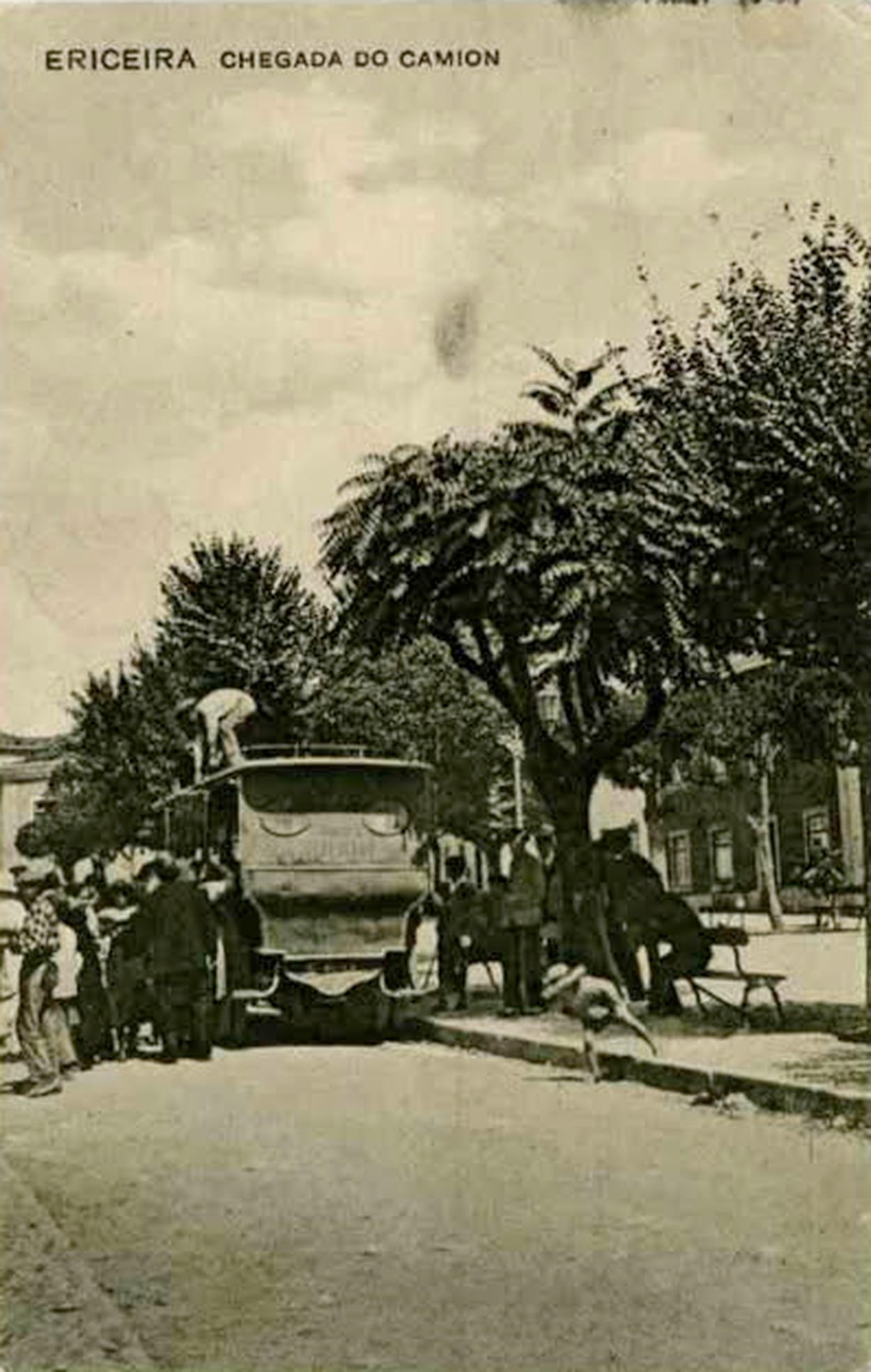
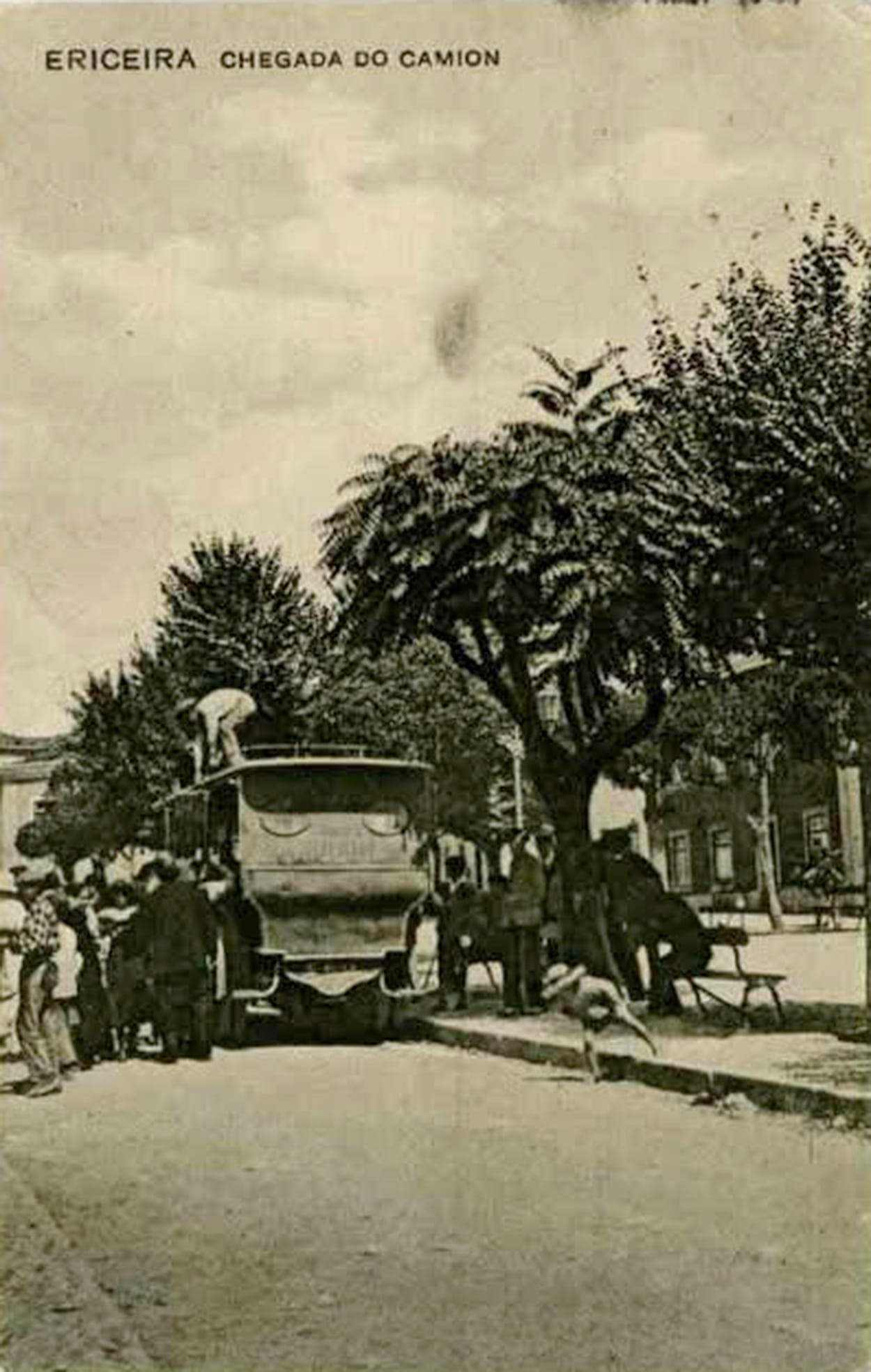
On 1 September 1914, service began of two daily routes between Ericeira and Lumiar, in Lisbon. The buses left from Jogo da Bola, crossing Mafra, Loures and other places. The fare was 700 réis and the vehicles carried up to 30 passengers. According to Jaime Lobo e Silva, they were “very comfortable”.
During the First World War, in August 1916, the service was interrupted. The route was then made by lorries, a forced return to the hardship of the roads.
Memories of António Batalha Reis
Ericeira was a destination with soul. And the roads there also had stories.
Words of António Batalha Reis, Bloco nº 7, Ericeira, 1980 (manuscript)
“Até ao estabelecimento da linha de Sintra, quando se partia de Lisboa, saía-se cedo, de trem, para ir almoçar à Malveira e aproveitava-se para dar descanso aos cavalos. Havia em que fosse de comboio até à Malveira e depois em diligência, ou de trem, ou a cavalo mas era menos usual esta forma de chegar à Ericeira.
Eu já não apanhei esse sistema “antiquado”. Nós vamos de comboio até Sintra e aí tomávamos dois trens que nos levavam à Ericeira pela estrada que ainda é utilizada mas hoje de asfalto, sem a poeira de então.
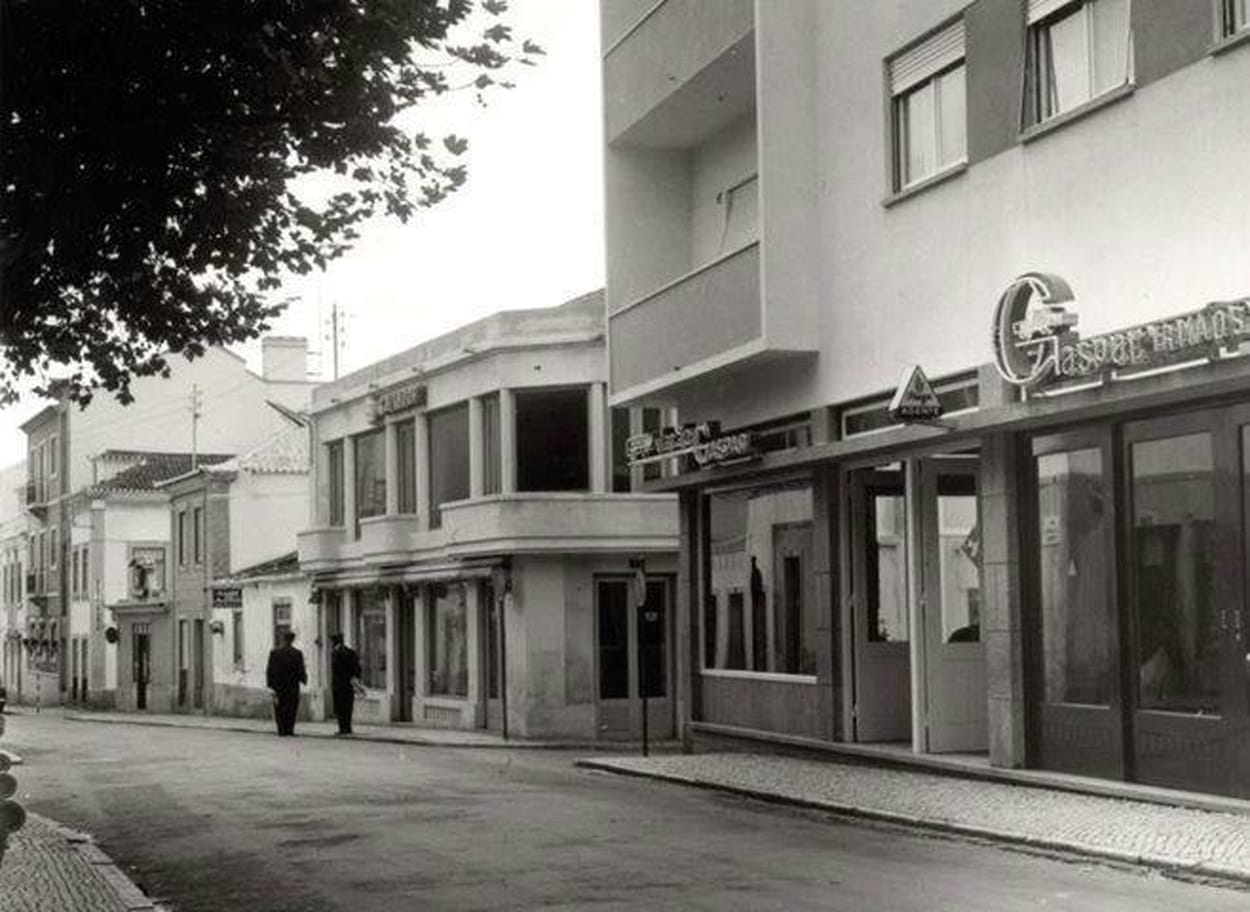
Estes trens eram do António Gaspar, o importante negociante da Ericeira, que tinha também a diligência de ‘char-a-banc’ Sintra - Ericeira e galeras de aluguer. Ainda o conheci muito bem e aos cocheiros sempre os mesmos, que nos serviram, até que a diligência de mulas foi substituída pela camioneta, e as cavalariças e coceiras passaram a ser garagens. A essa transformação assisti com certa saudade”
The char-à-banc and the coachmen
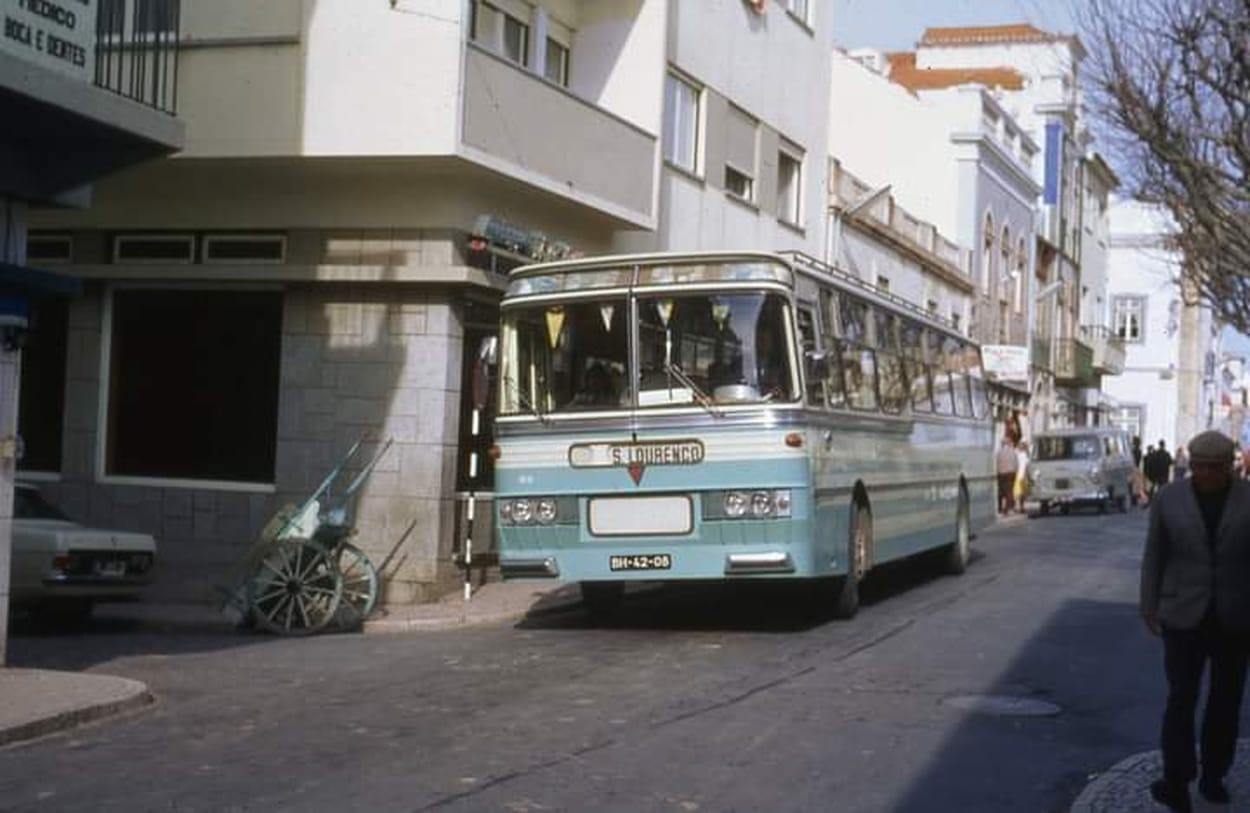
The char-à-banc (from the French “car with benches”) was a type of collective transport vehicle in use between the nineteenth and twentieth centuries. It was an open carriage or bus with several benches arranged in parallel rows. In Portugal, char-à-bancs played an important role in public transport, especially in suburban and rural areas.
Initially horse-drawn, these vehicles would later be adapted to motorisation — becoming precursors of modern buses. They were often used to carry passengers between Lisbon and destinations such as Sintra, Mafra and Ericeira. Their capacity and openness to the outside made the journey not only efficient but also panoramic: travellers could enjoy the landscape with the wind in their face.
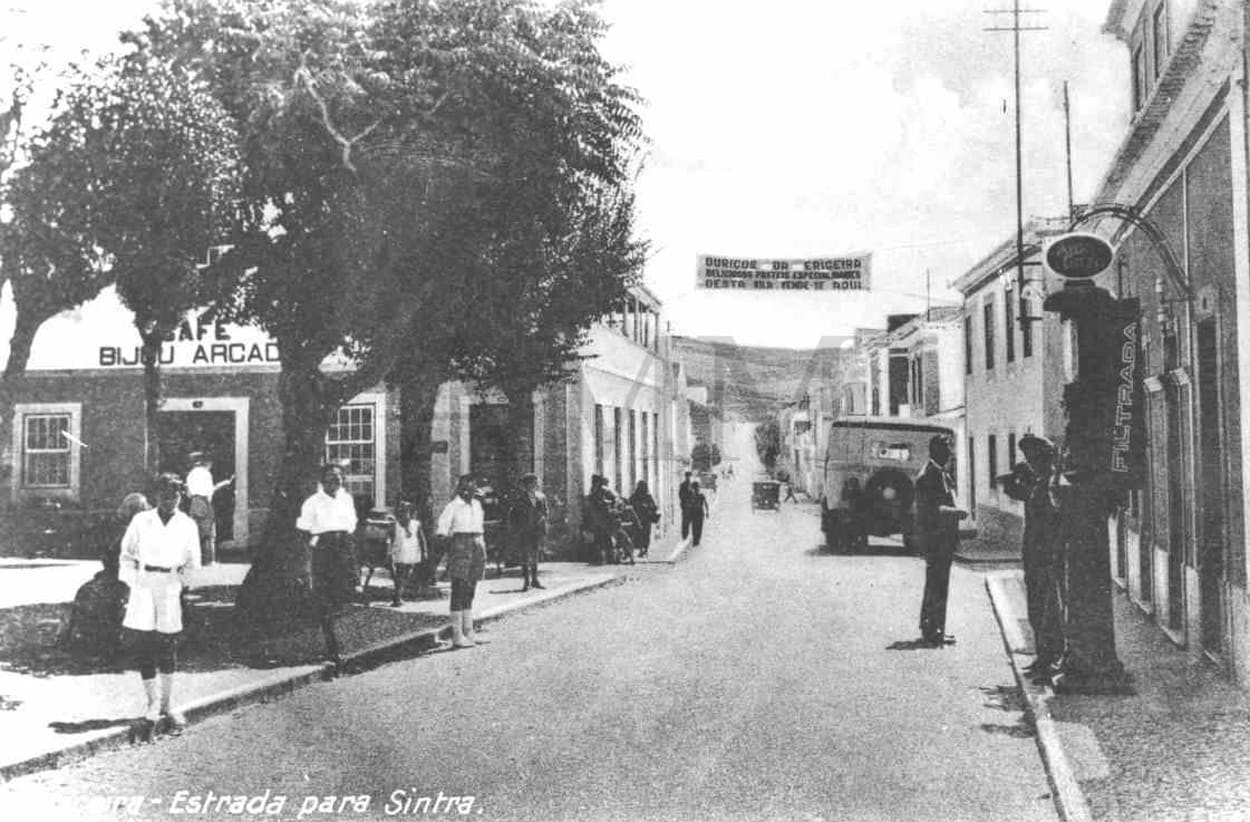
“It was a ride and a postcard at the same time” — the elders used to say.
“Um desses cocheiros era o Pirata, sem perna de pau mas com a perna direita deformada e torta e que assim ficou depois de uma galera passar por cima dela. Tanta paciência que ele tinha para nós! Ver, em Lisboa, o Pirata sorridente, coxeando, de colete e mangas arregaçadas, que deixavam ver a camisola encarnada, sempre de barrete preto de borla, anunciar que estava ali a galera para levar as coisas para a Ericeira…
Enquanto circularam as galeras de mulas, o Pirata manteve-se na brecha … até vir a camioneta que matou a galera e, com ela, o Pirata.
Pobre Pirata que conversava com as suas mulas durante as horas intermináveis daqueles 50 quilómetros [Lisboa à Ericeira] que, a passo sonolenta mas seguro, tinham de percorrer com as nossas coisas, esse mundo de coisas que iam dar algum conforto à decoração espartana da casa de Santa Marta ou das Ribas.
Mas, retomando o caminho de Sintra: era obrigatória uma paragem a cerca de meia estrada, isto é, em Odrinhas, para descansar os cavalos. A paragem, é claro, era defronte de uma taberna, porque, euquanto os cavalos roíam a ração, os cocheiros molhavam a goela em dois copos de tinto. Para nós pequenos, aquela paragem era um eldorado, porque, nós também bebíamos um pirolito, daqueles de vidro, que era o nosso encanto: logo à saída de Sintra já vínhamos a pensar nele.
Havia duas qualidades, a que correspondiam dois preços, os brancos, mais fracos e mais baratos e os de cor, mais fortes e mais caros; eu bebia sempre um de cor, porque tinha mais gás, o que depois, me obrigava a arrotar o gás pelo nariz, delicioso.
Quando se saía de Odrinhas, só faltava meio caminho, e o andamento tomava um tom mais sostenuto. O Alto da Foz era miragem de atração, quando no topo da ladeira que nasce na ponte sobre o Lisandro, ao inflectir-se, à direita, a estrava debruçava-se sobre o mar, esse mar de que tantas saudades tínhamos e logo nos mimoseava com um forte cheiro a maresia. Depois, no alto da Sala de Visitas - um apreciável terreiro até à estrada, hoje muito reduzido por sucessivos desprendimentos de terra -, a Ericeira dava-se à nossa vista ávida, em toda a brancura das ruas, casas e telhados. Era a nossa Ericeira, em todo o seu esplendor, aninhada à beira do mar grande e azul, que se orlava de espuma branca aos seus pés, que tantos encantos nos prometia e dava”
1940s and 1950s
Lovers’ Square
The old ones said that summer made the square shine in another way.
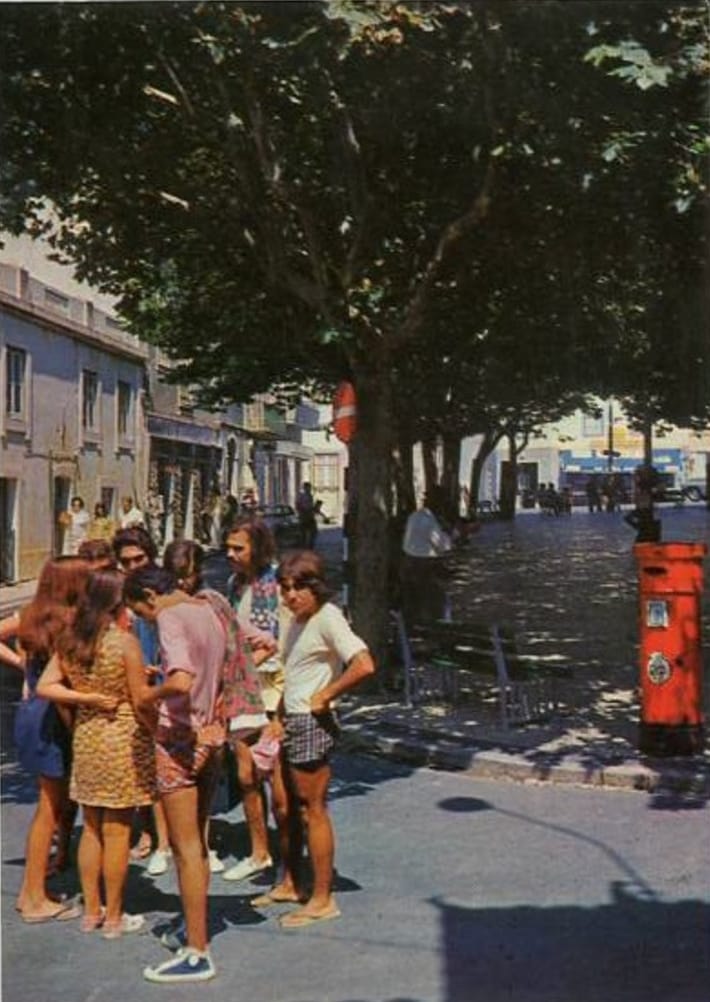
During the 1940s and 1950s, Ericeira became a summer refuge for many Lisbon families. Jogo da Bola was the main stage of social life. After dinner, the young walked in circles — in the so-called “picadeiro” — exchanging glances under the watchful eye of mothers seated on the stone benches. The Sala de Visitas viewpoint served as the setting for courtship and first vows of love.
“No verão sempre houve um ambiente especial. Antigamente vinham muitas famílias de fora aqui passar longas temporadas — as pessoas mais modestas, pescadores e suas mulheres, chamavam-lhes ‘senhoritas’ — e eram elas que davam um ambiente especial à vila. Nessa altura, o Jogo da Bola era ponto obrigatório de reunião; as pessoas entretinham-se a dar voltas à praça — fazia-se o que todos chamavam de ‘picadeiro’ — assim como ir até à Sala de Visitas, miradouro por cima da praia do Sol, ‘cenário de amor’ para muitos pauzinhos daquela época, finais dos anos quarenta, anos cinquenta.”
— António Caiado, in Ericeira Seen Through Four Generations
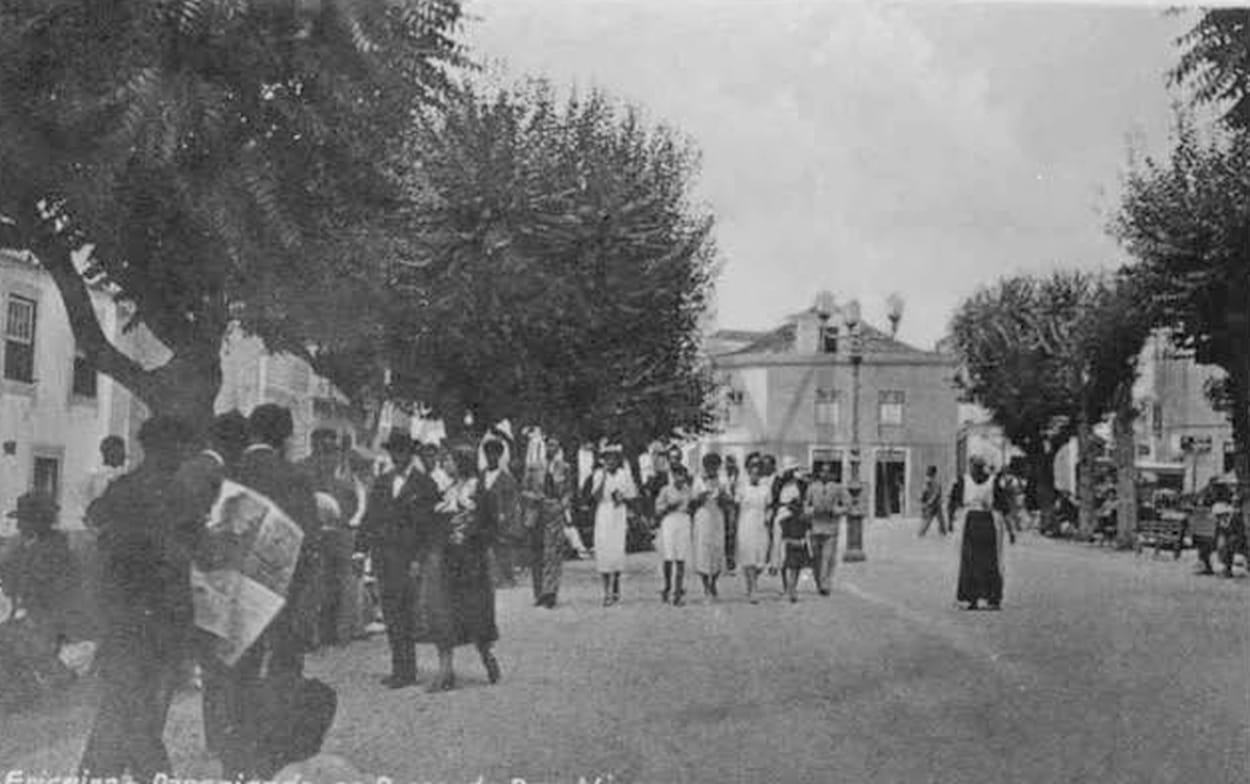
Doing the “picadeiro”, exchanging glances under the watchful eye of mothers seated on the stone benches.
Music concerts
On Thursdays and Sundays, music filled the air.
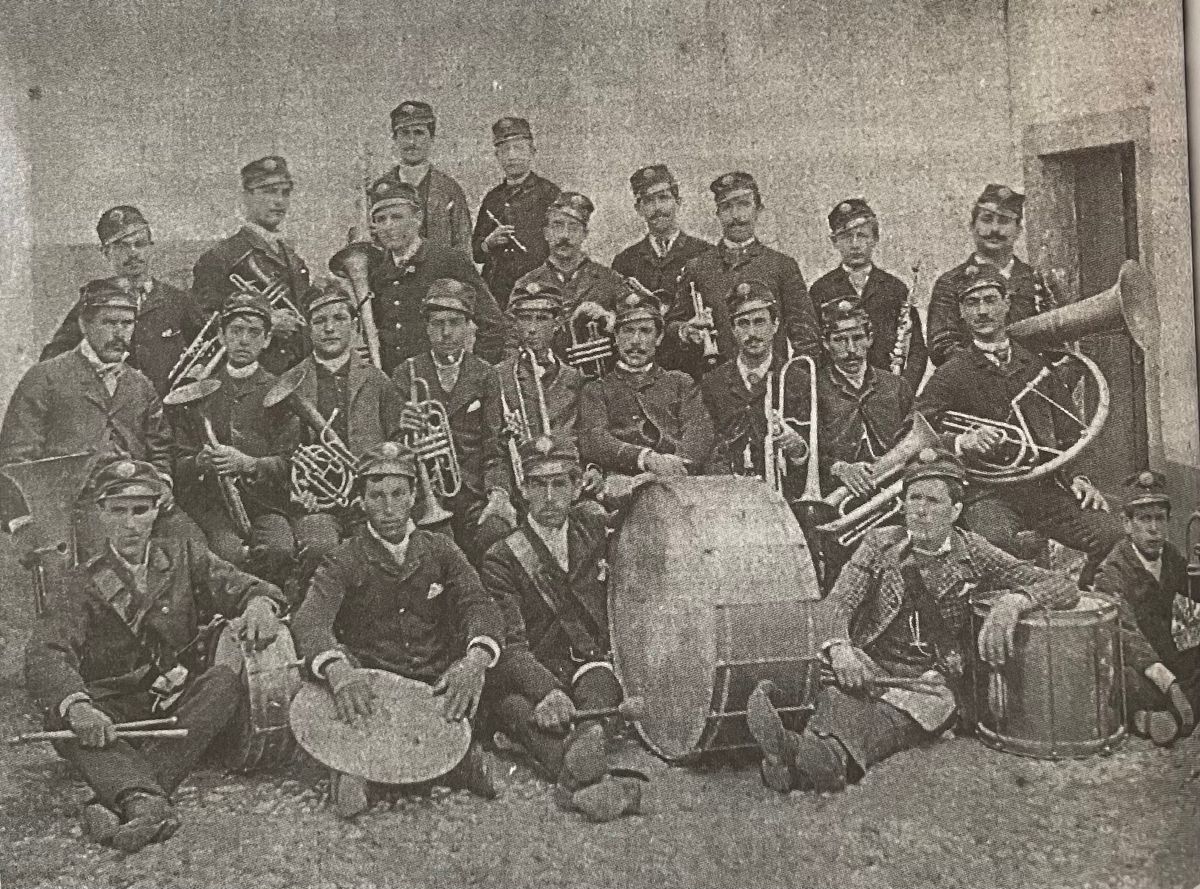
At the start of summer, a tent was built to serve as an improvised bandstand. The village brass band played twice a week, bringing rhythm and solemnity to evenings in the square. Whole families came out to hear the music, talk and share moments — in a village that, little by little, was modernising without losing its charm.
Maria Paurita
They say that on that day even the sea stopped for an instant.
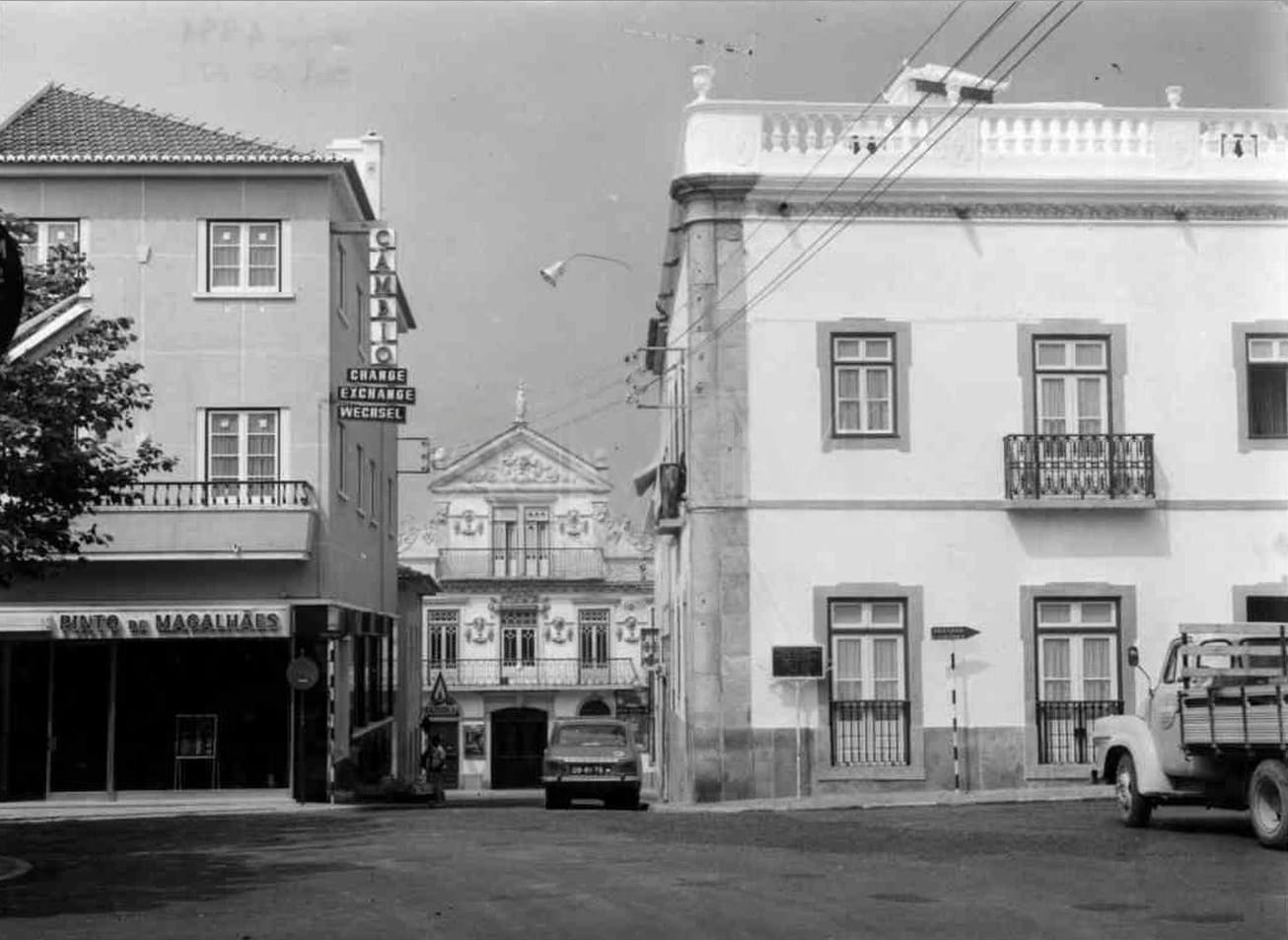
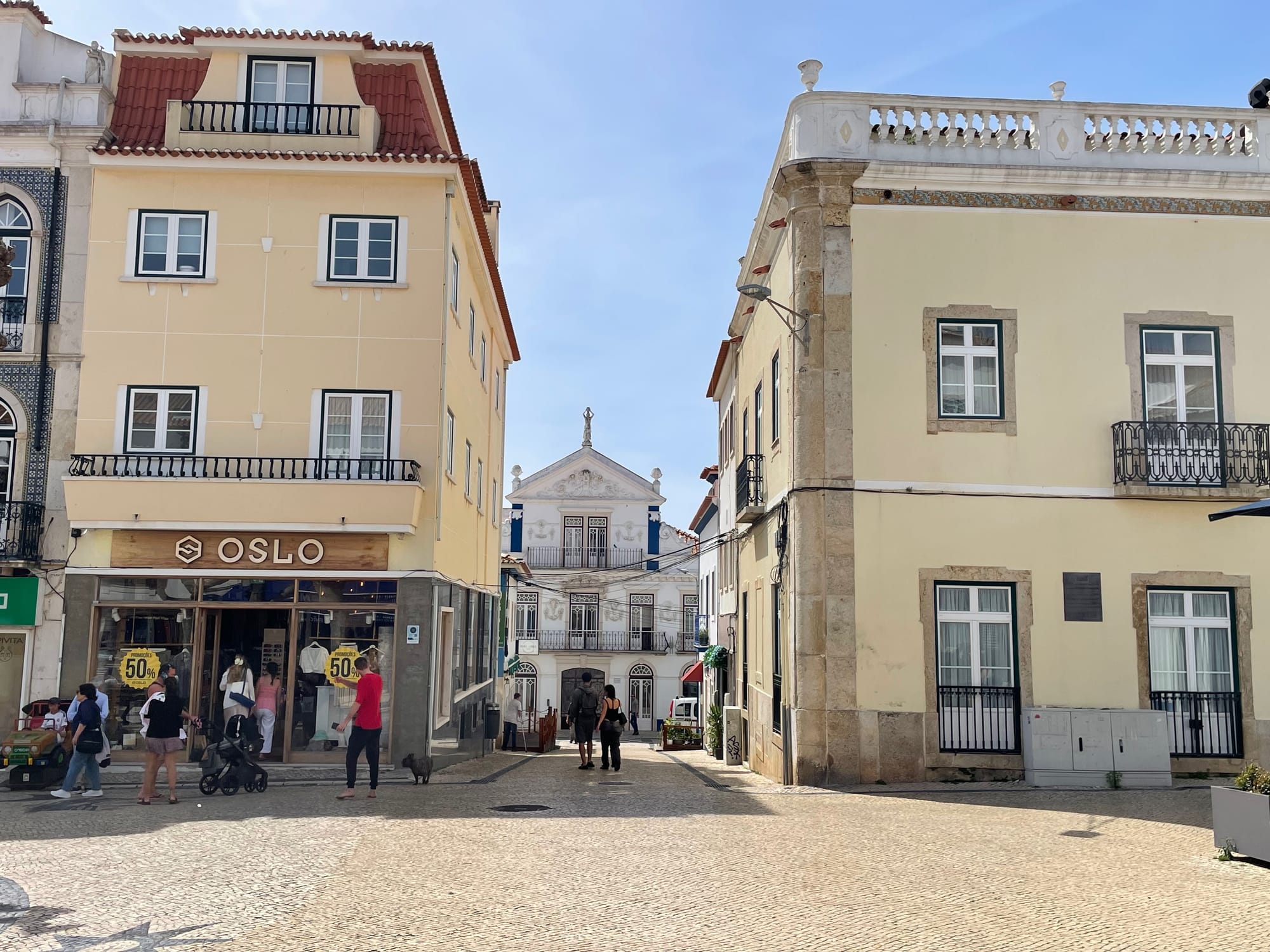
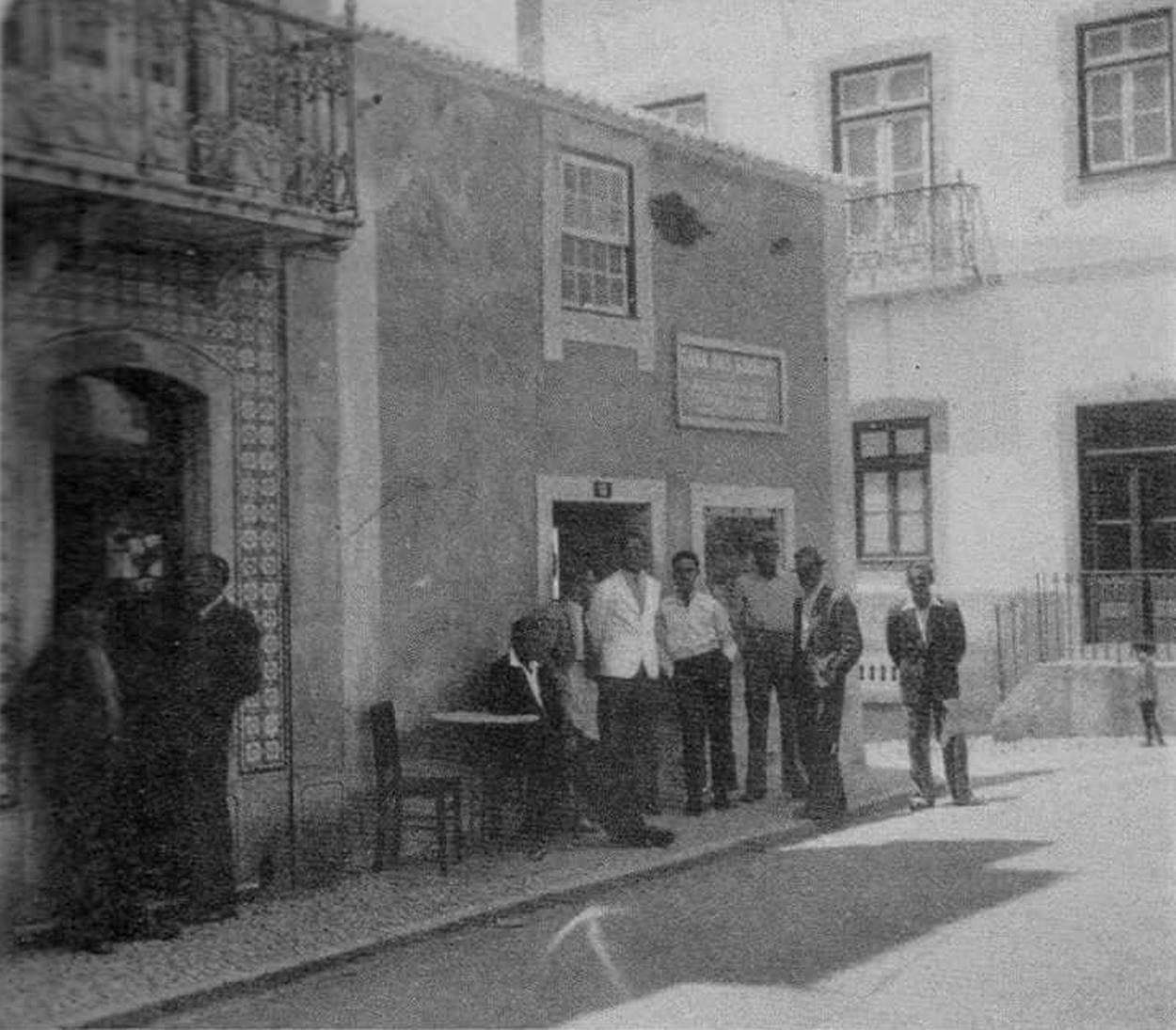
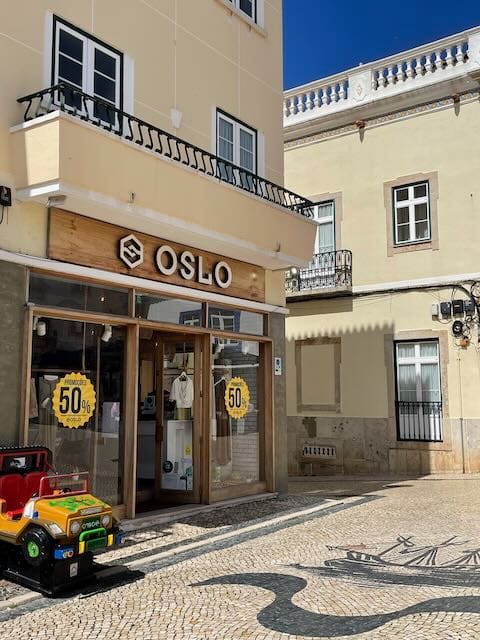
In 1932, a tragedy shook the village’s heart. A van, loaded with three casks of wine from Bombarral, lost control on the descent and crashed into Casa das Cavacas, on the corner of the square. On its way it ran over Maria Paurita, a figure known for selling chestnuts and pumpkin seeds always in the same spot. She died instantly.
The wine spread down the street — it was even said to run as far as Santa Marta — and a boy travelling asleep in the vehicle escaped with only an alcoholic bath and a fright. The driver and other occupants were injured. The village was in shock. The place was never the same again.
World War II refugees
On that cold January night, Ericeira became a port of shelter.
On the night of 1 January 1942, around eleven at night, the first vans with World War II refugees arrived in the village. They came from Lisbon — about 70 or 80 people — including French, Romanians, Poles, Italians, Belgians and Dutch. Most were Jewish. There were aristocrats, dancers, musicians, journalists. All under surveillance by the International Police.
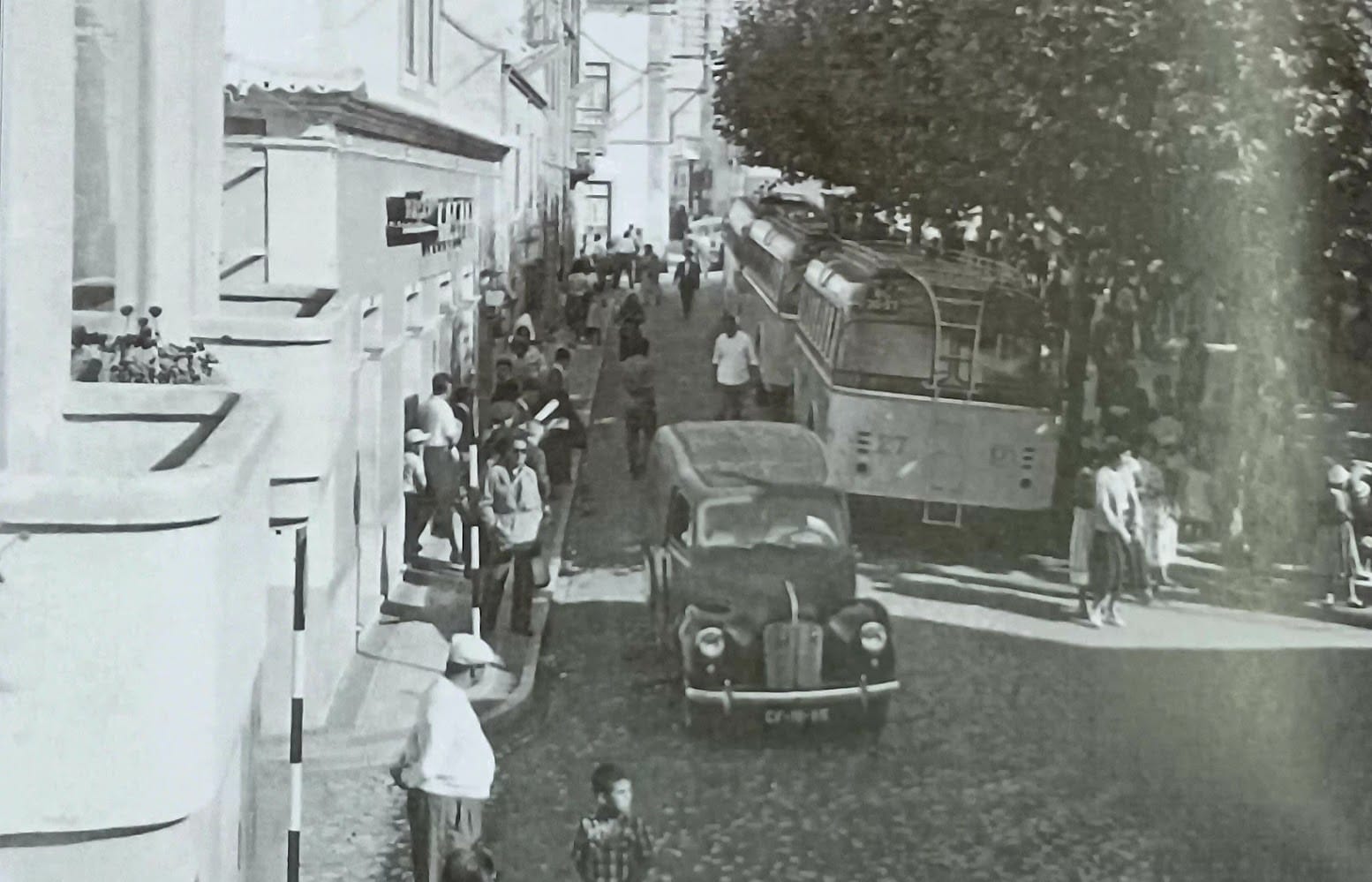
They got off at the old Jogo da Bola terminal. They were welcomed in guesthouses and private houses in the village. For some months — or years — the square also became the place of those fleeing horror.
👉 Read more: Ericeira and World War II Refugees
Café Bijou Arcada
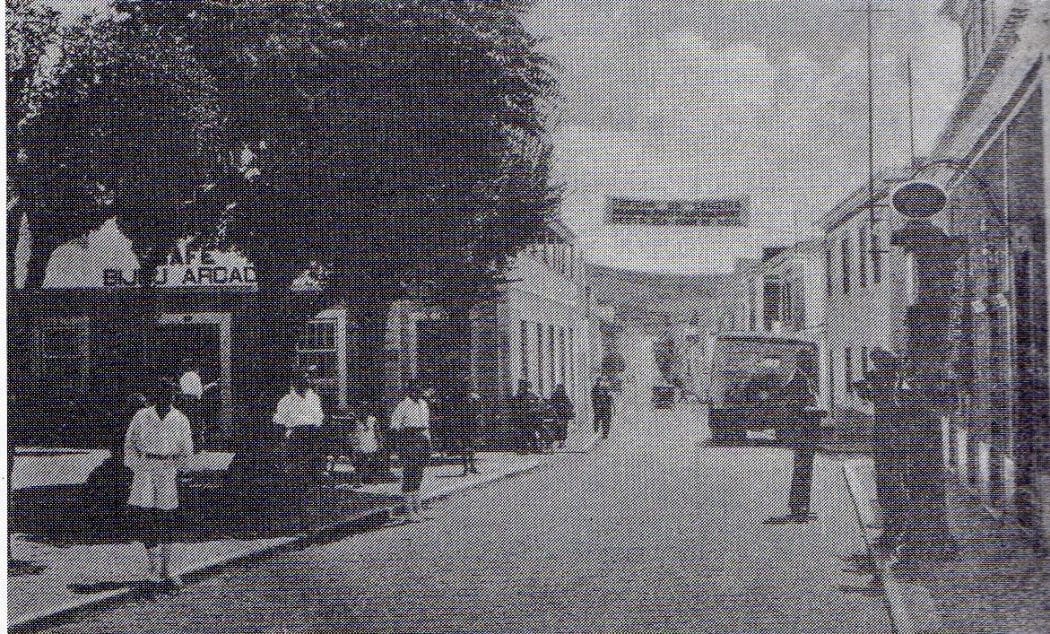
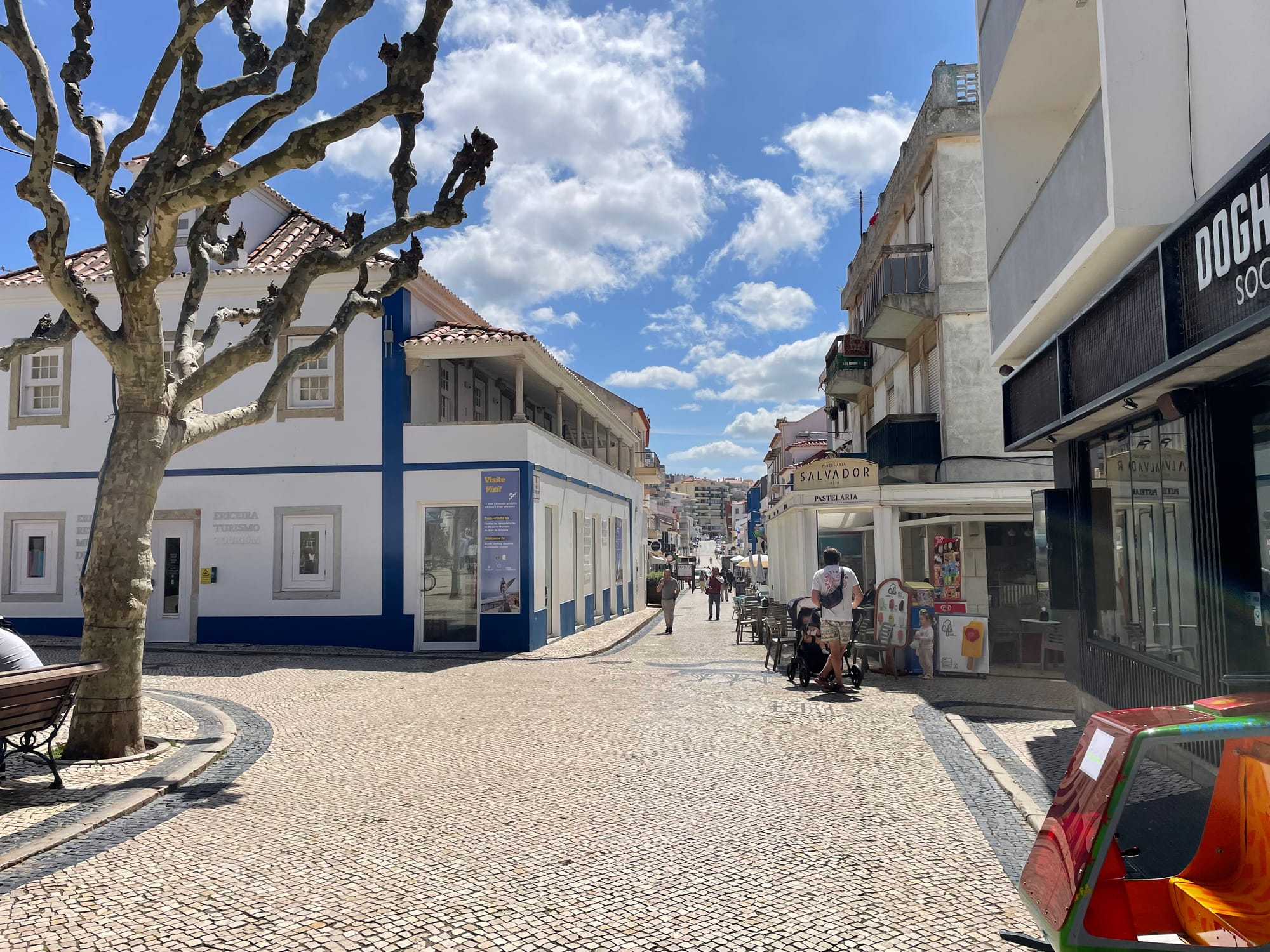
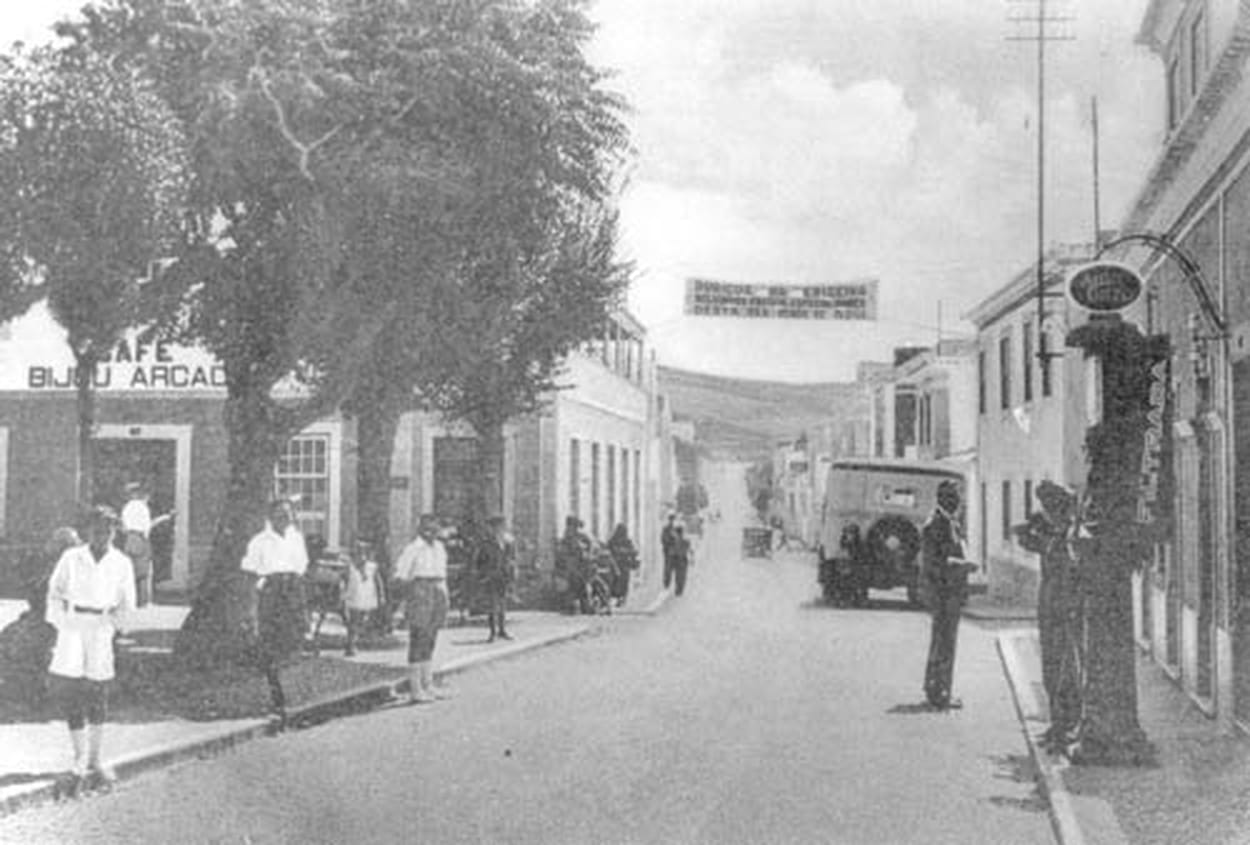
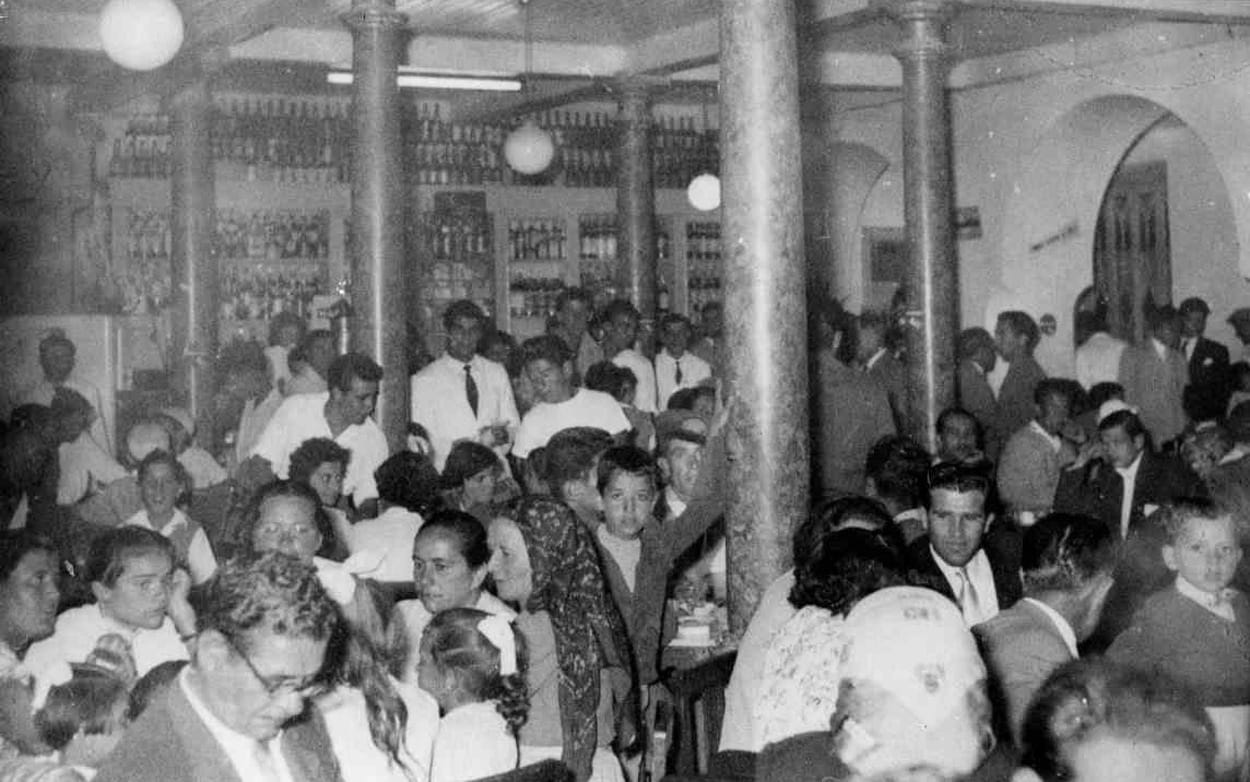
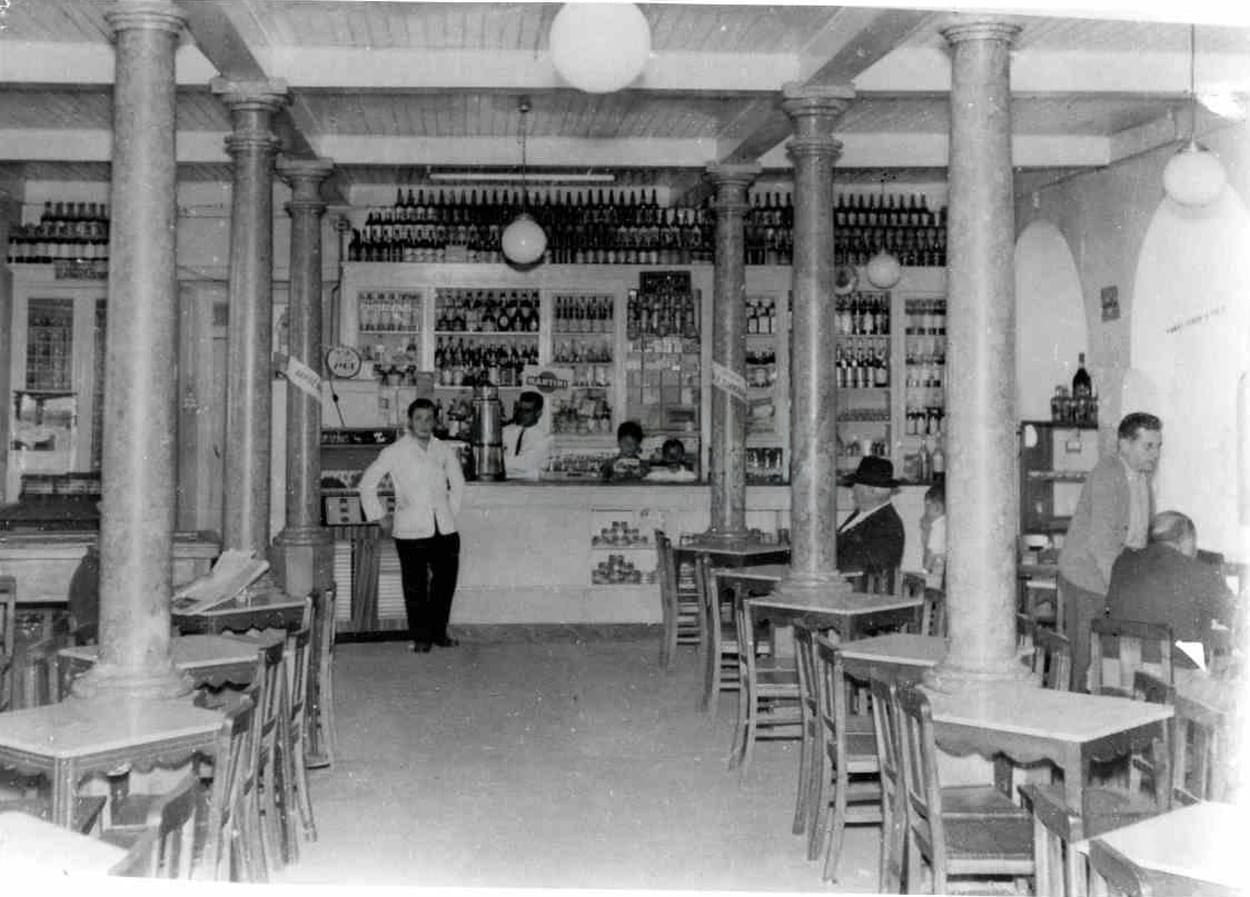
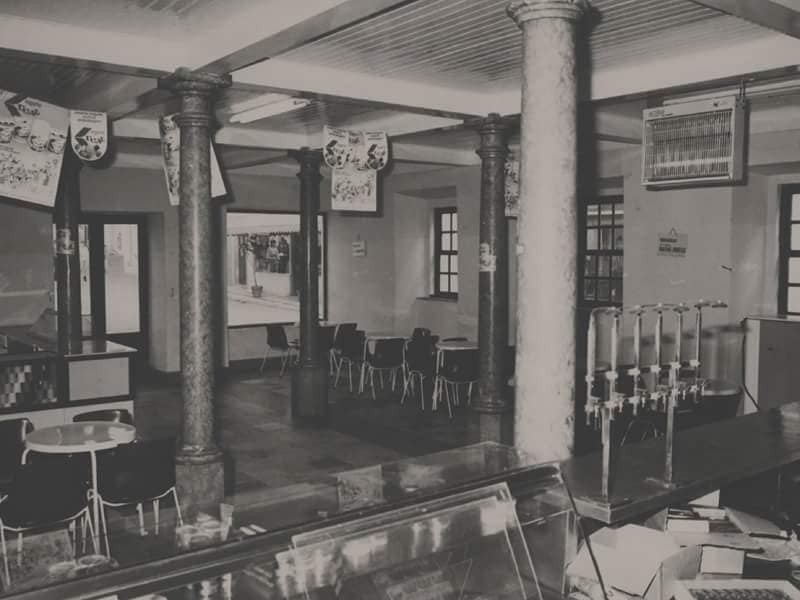
It was formerly Cervejaria Lopes. Café Bijou Arcada (today the tourist office), at the southern end of Jogo da Bola (Praça da República), was “a meeting point for the local republican-democratic opposition nucleus to the then ruling political regime”
A royal visit
They say Dona Amélia wept in silence before the sea.
On 20 June 1945, Dona Amélia of Orléans and Braganza, last queen of Portugal, returned to the country 35 years after the fall of the monarchy. She lived in exile in France and accepted Salazar’s invitation for an official visit.
Aboard the Sud-Express, she crossed the Peninsula to Lisbon. Her children did not accompany her. One had been assassinated in 1908 — Prince Luís Filipe, only 20, shot dead with his father in the regicide at Terreiro do Paço; another died as a child; and the youngest would die at 42 — unexpectedly from a severe allergic reaction — in exile in England.
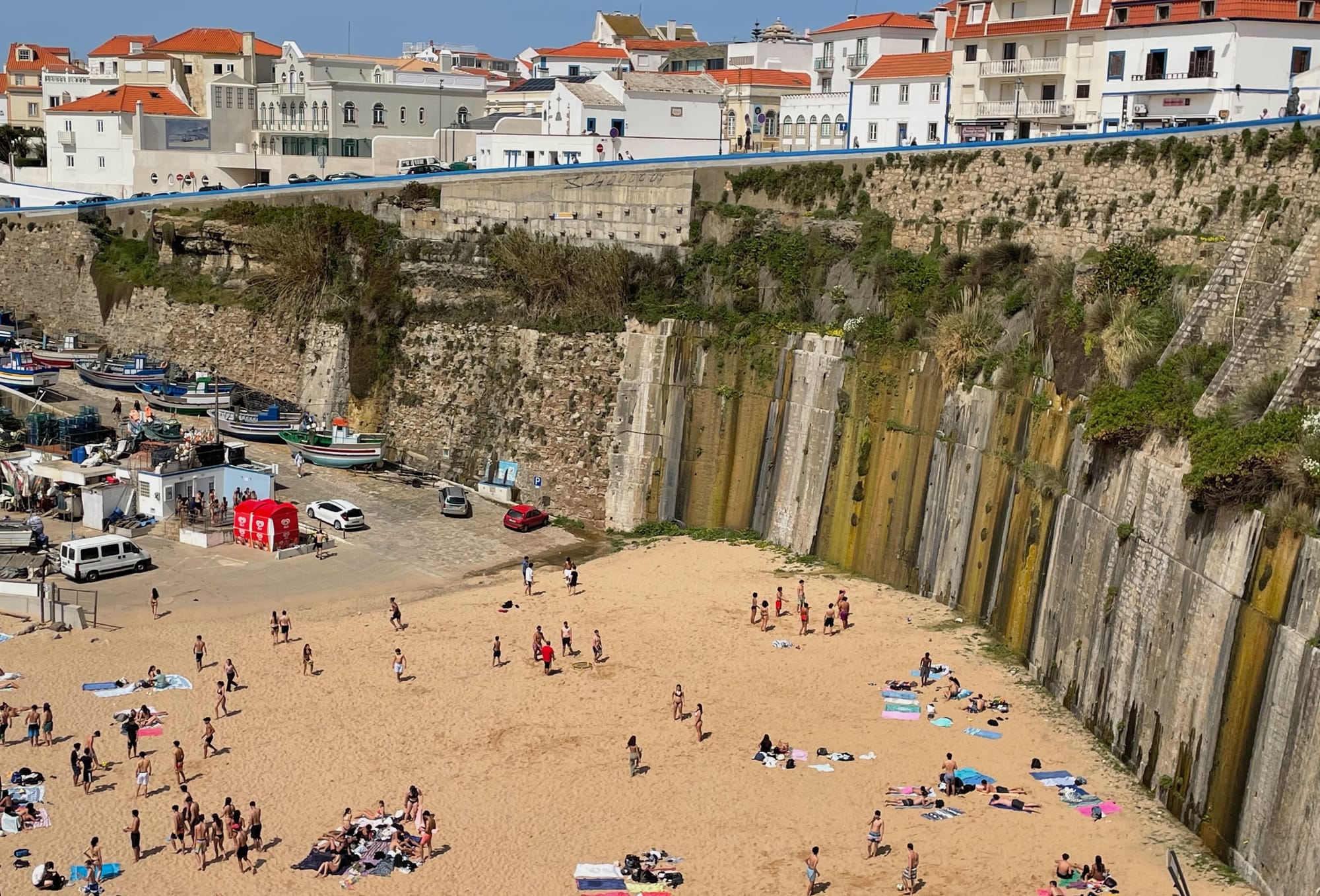
In Ericeira, Dona Amélia made a brief stop at Largo do Jogo da Bola, then officially Praça da República. She continued to Miradouro das Ribas, where, it is said, she leaned over the wall and wept in silence, remembering the hurried flight of 1910.
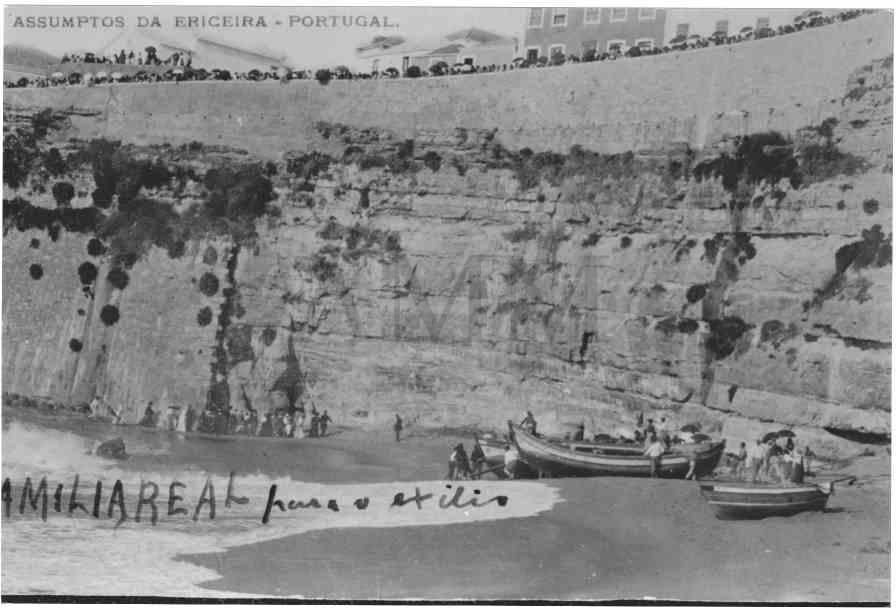
👉 Read more about the monarchy’s flight: 1910: The End of the Monarchy at Fishermen’s Beach
1980s to today
Closed to traffic
It is said that when the cars left, the village began to hear people’s footsteps again.
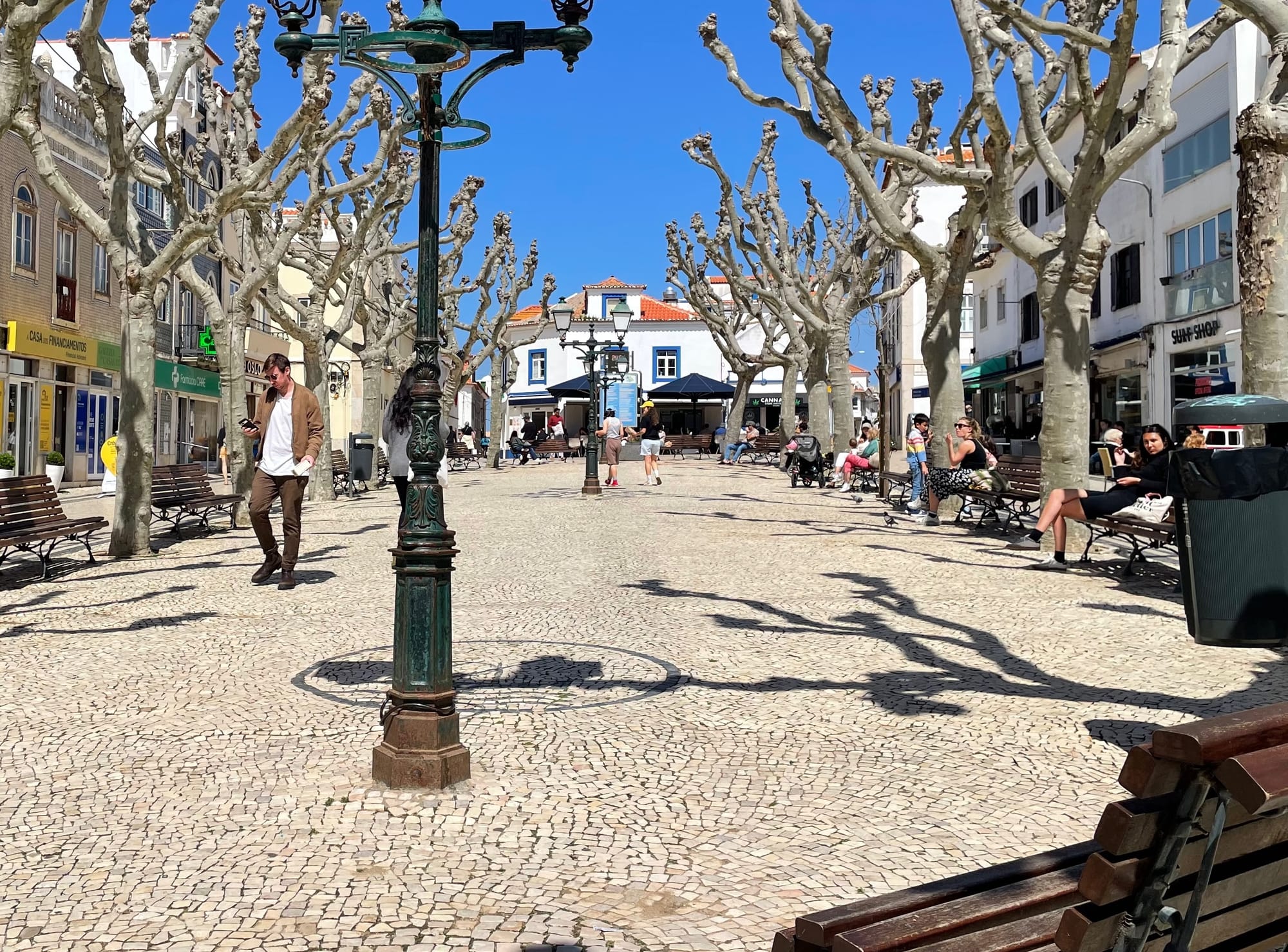
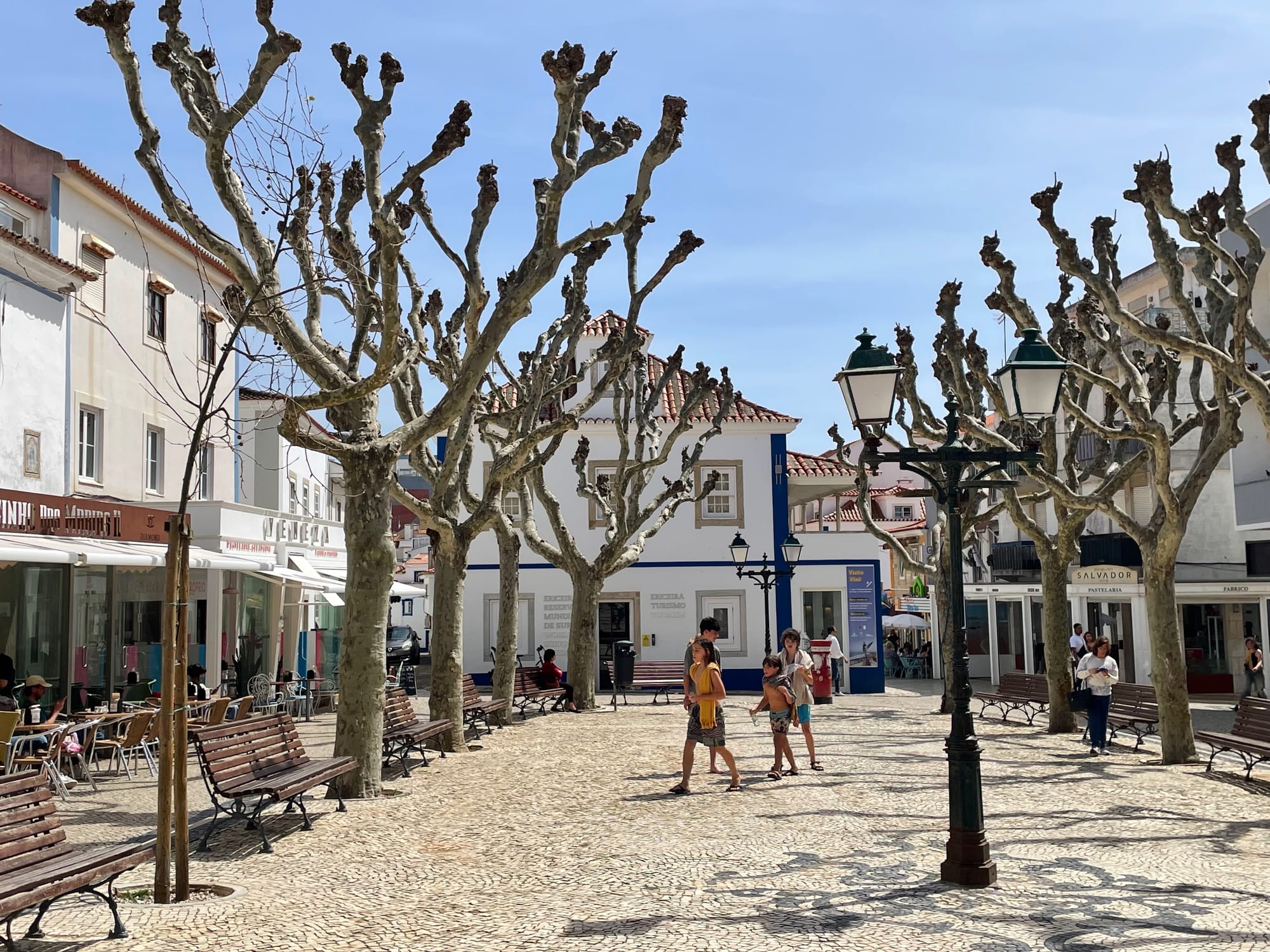
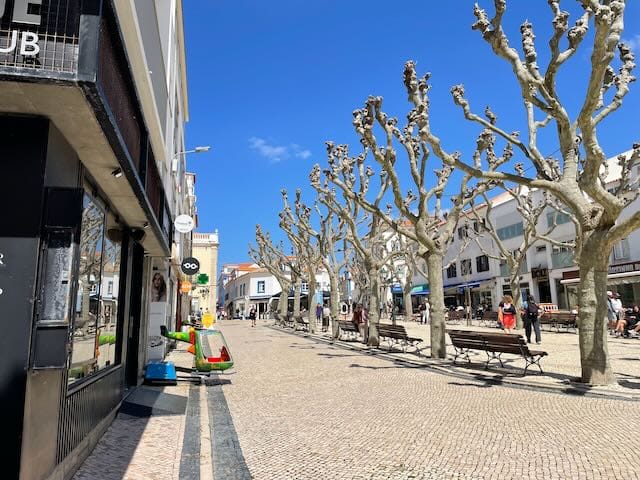
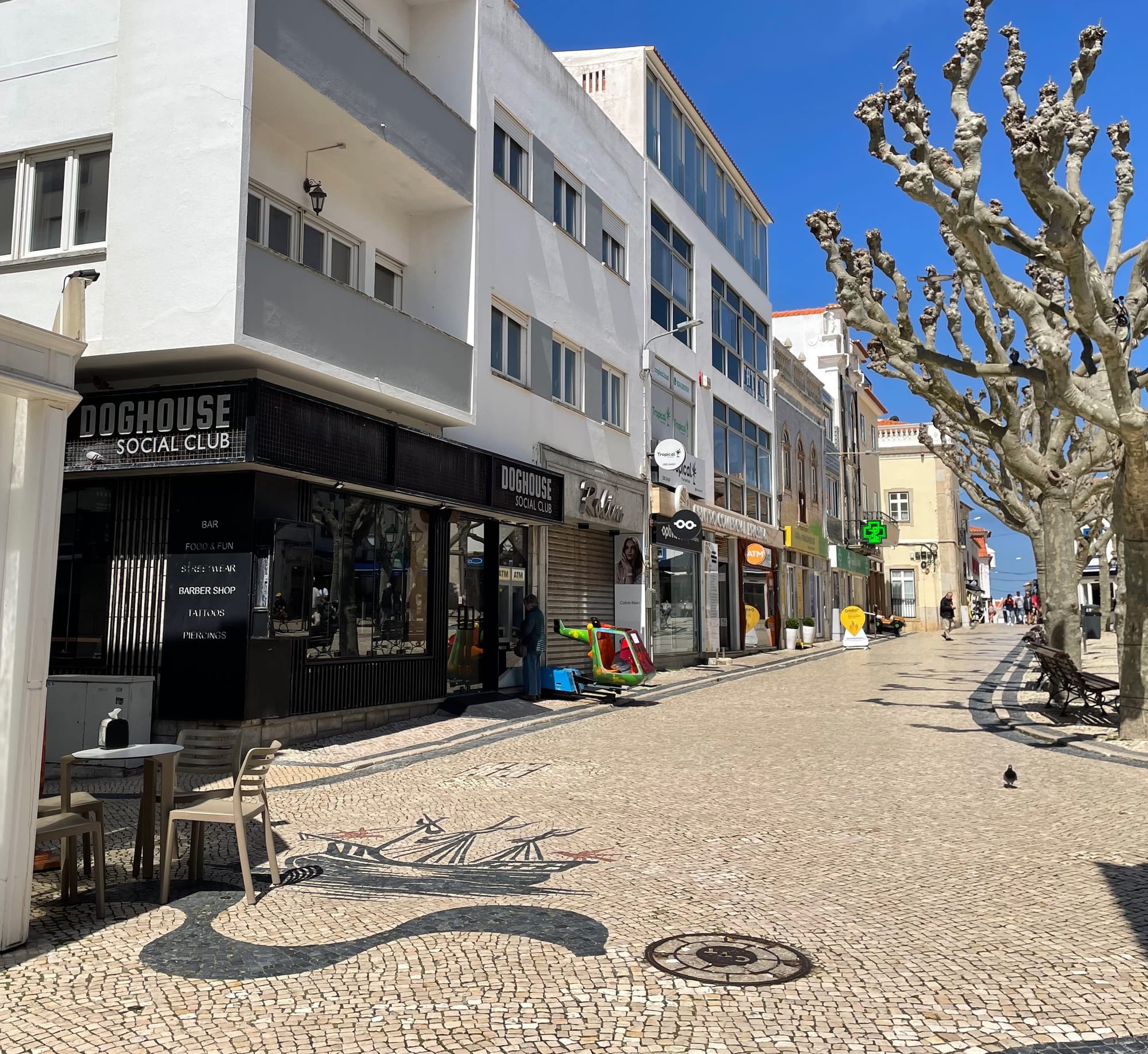
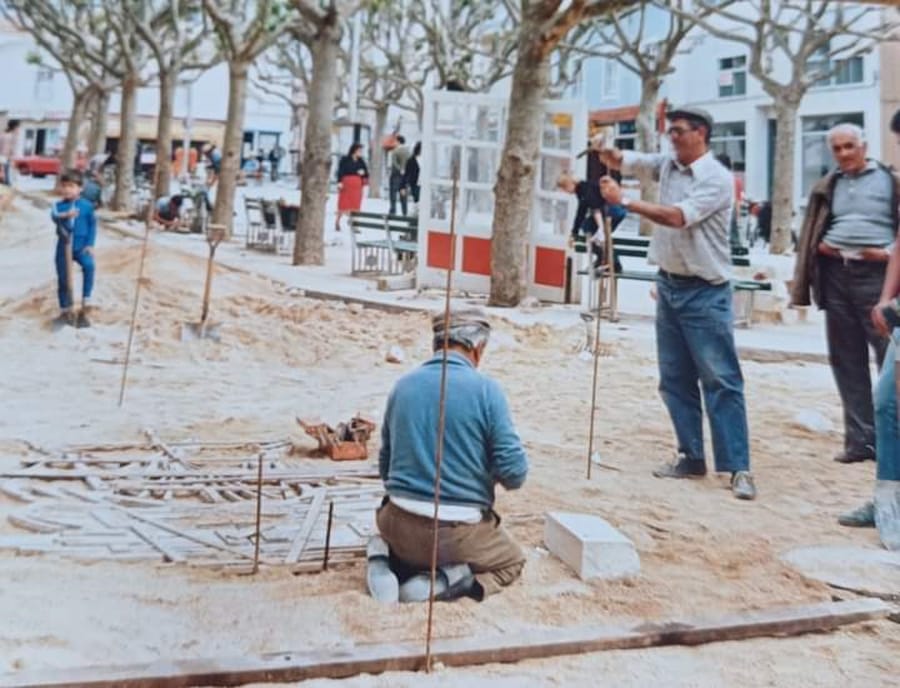
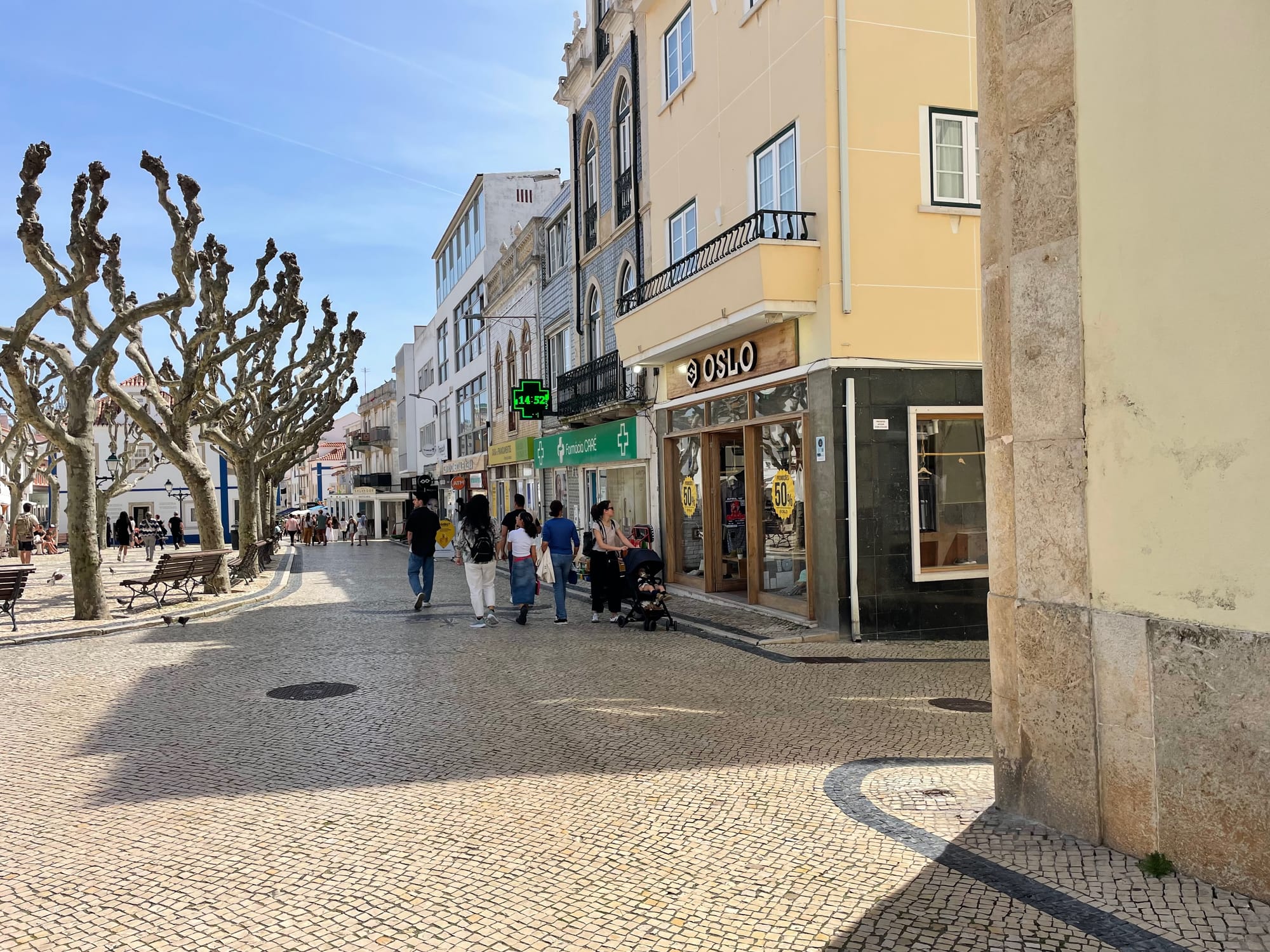
From the 1980s onwards, Largo do Jogo da Bola began to be closed to traffic. The change was not peaceful — some shopkeepers showed resistance. But little by little the advantages became evident: the space became more pleasant, safer, more human. Trees were planted, new paving laid, and the commercial and leisure atmosphere flourished.
Total closure to traffic would only happen in 2002. It was the beginning of a new phase — quieter, but full of life.
Businesses and memory
Every corner holds a story. Every shop, a past that reinvented itself.
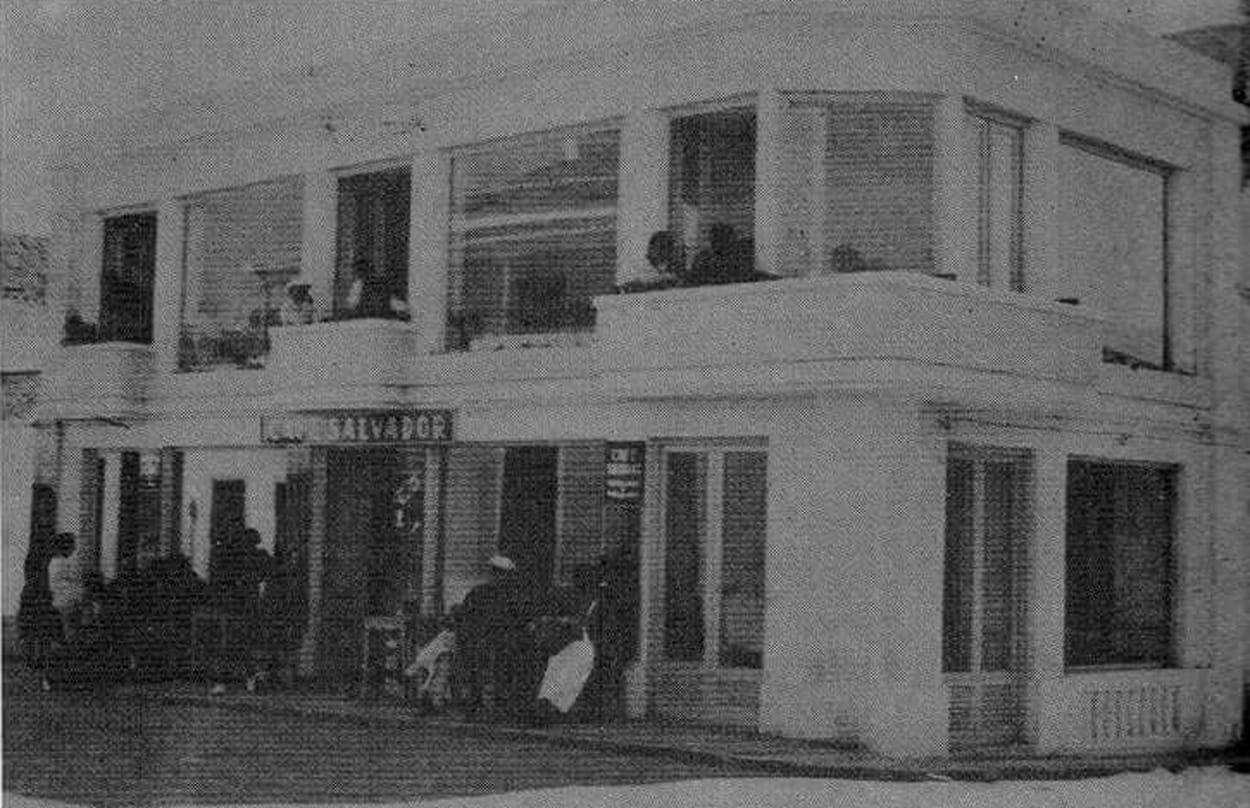
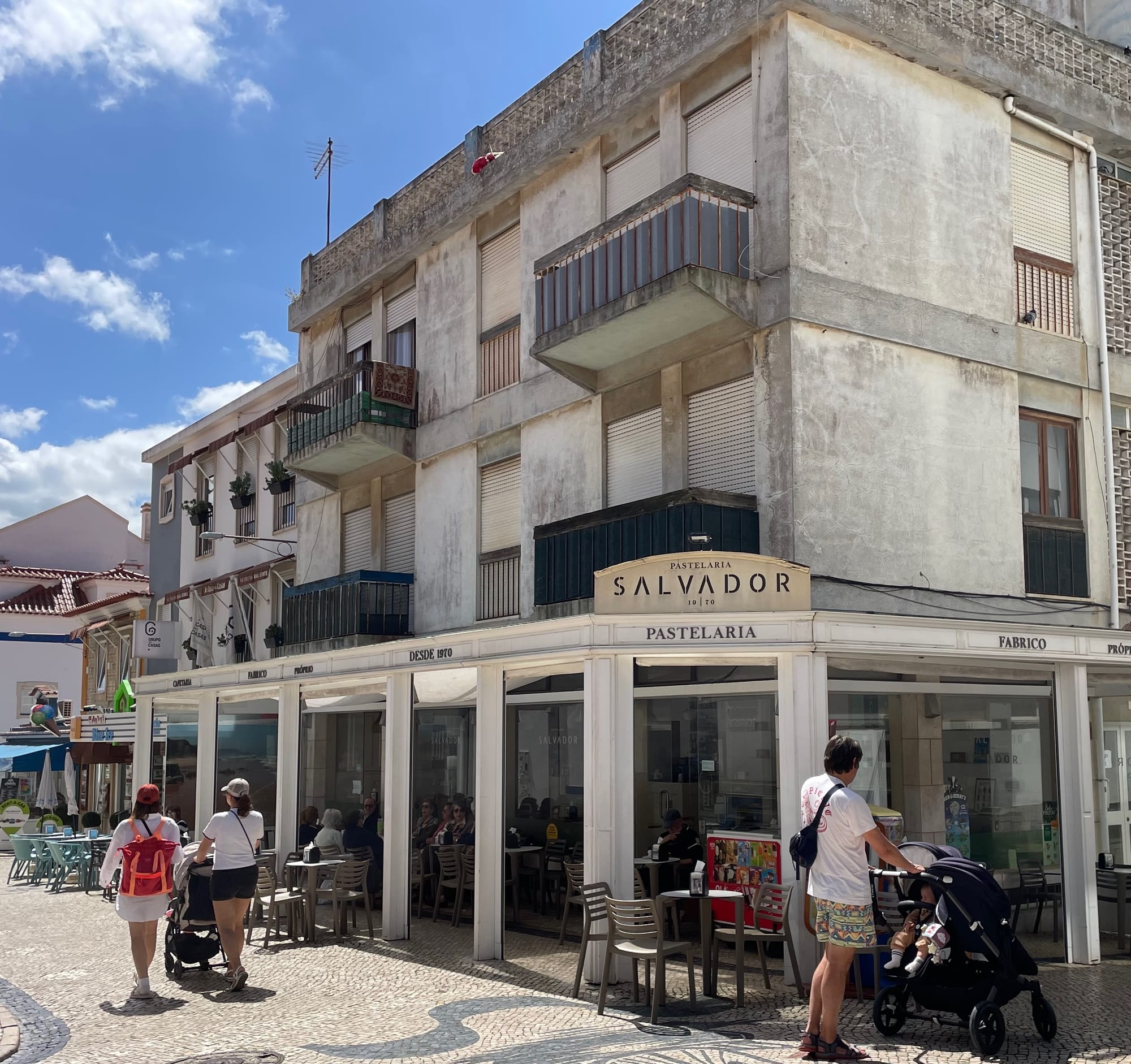
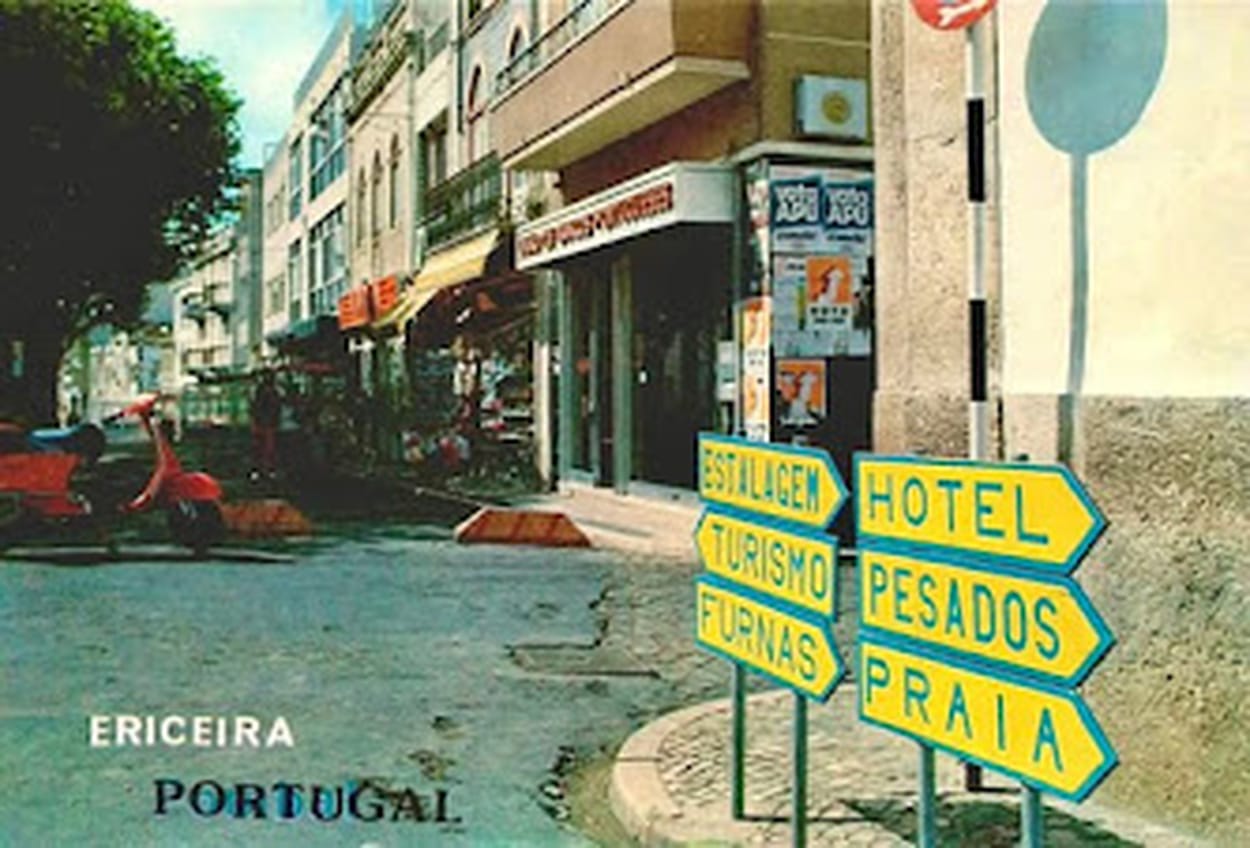
Casa das Cavacas gave way to a clothing shop. The space today occupied by the tourist office was once the famous Café Bijou Arcada. Where there is now a clock and a temperature display, there was a traffic policeman. There was a petrol pump there, a bus station, and Café Salvador — which changed management but kept the name.
The square today
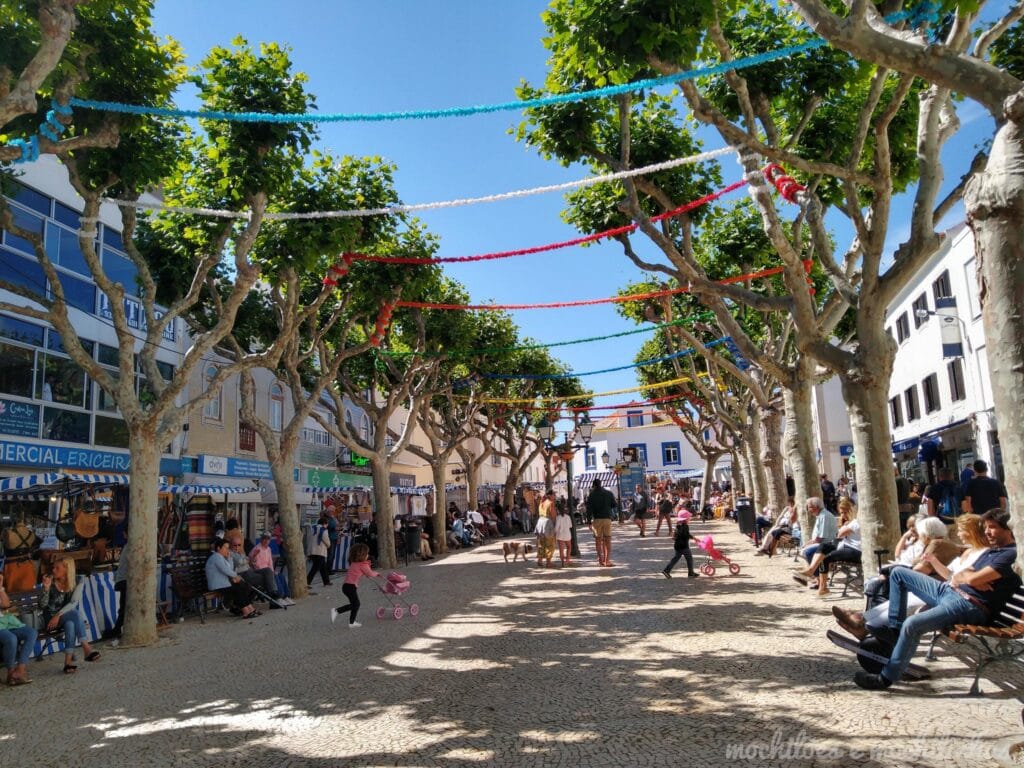
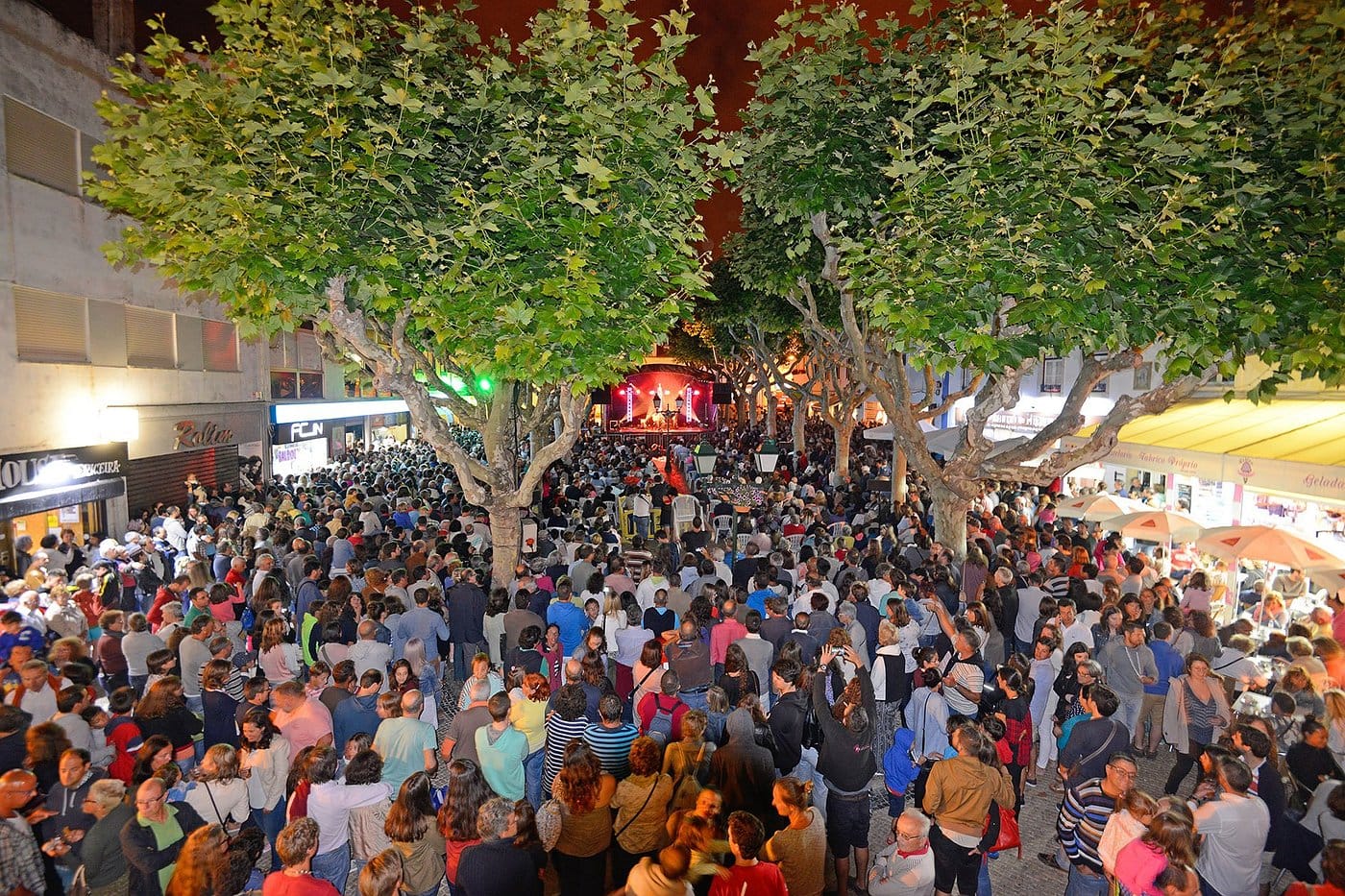
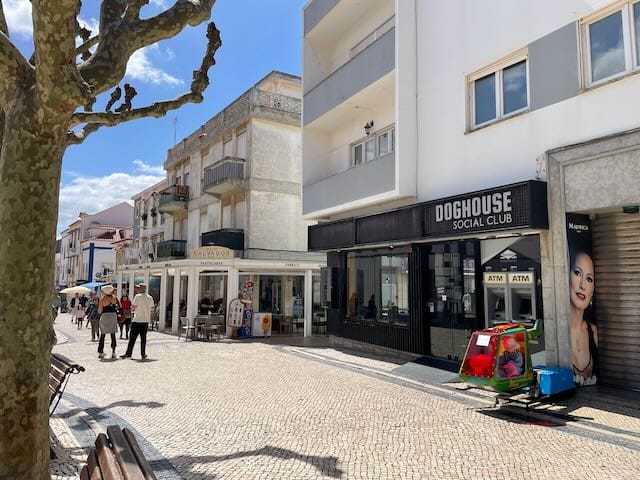
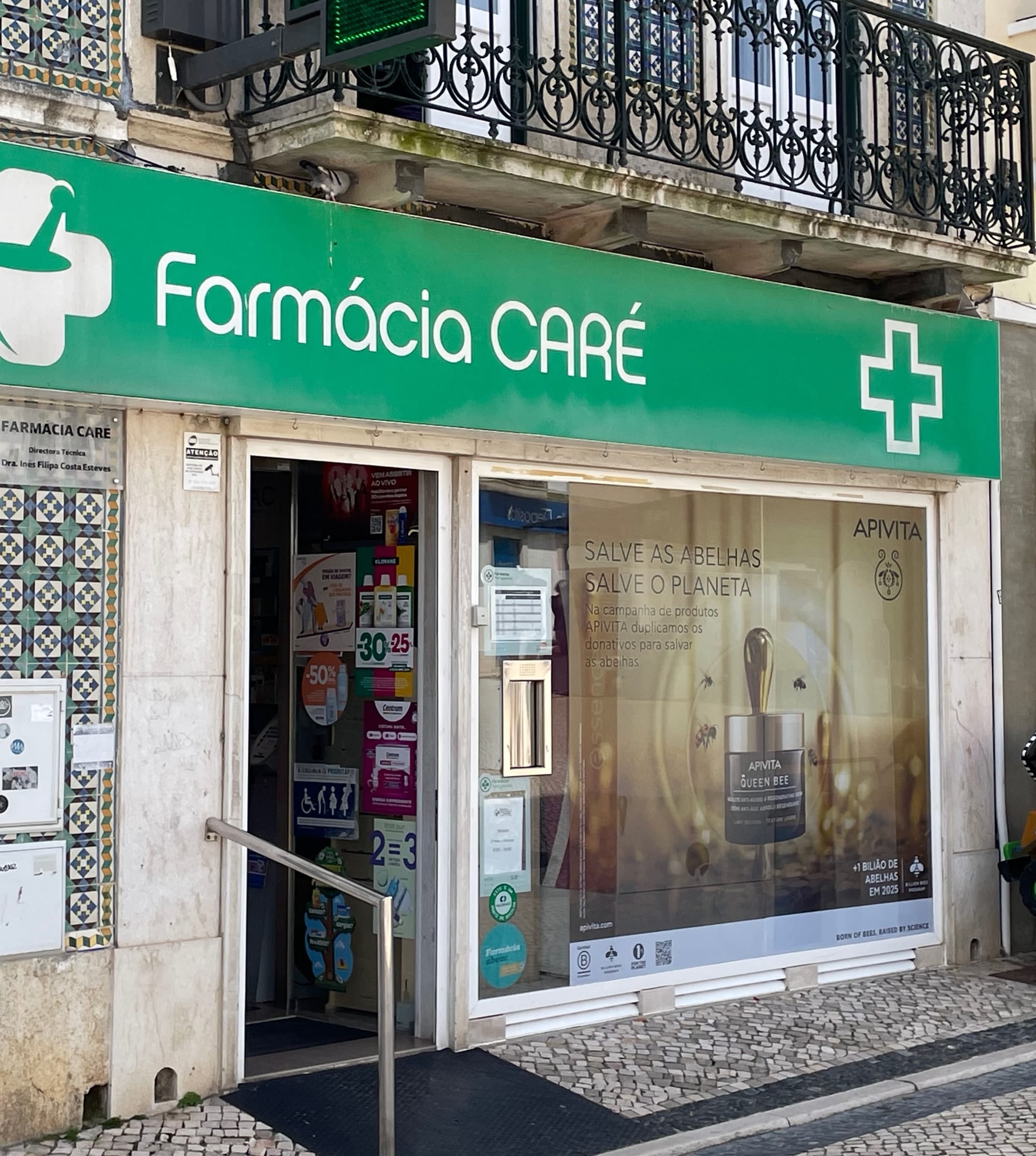
Today, Largo do Jogo da Bola is a pedestrian space, lively and dynamic. There are cafés, pastry shops, ice-cream parlours, a pharmacy, clothing shops, an art gallery and a small shopping centre. The square hosts concerts, markets, exhibitions, Nativity scenes and street artists. The bustle, which once concentrated in summer, now runs through the whole year.
Jogo da Bola is not just a square. It is living memory. It is heritage. It is identity. It is the soul of Ericeira — where past and present continue to meet, every day.