I Don't Love Francesinhas. But Their Story Is Delicious.
Portugal's most famous sandwich and the story that brought it to the plate.
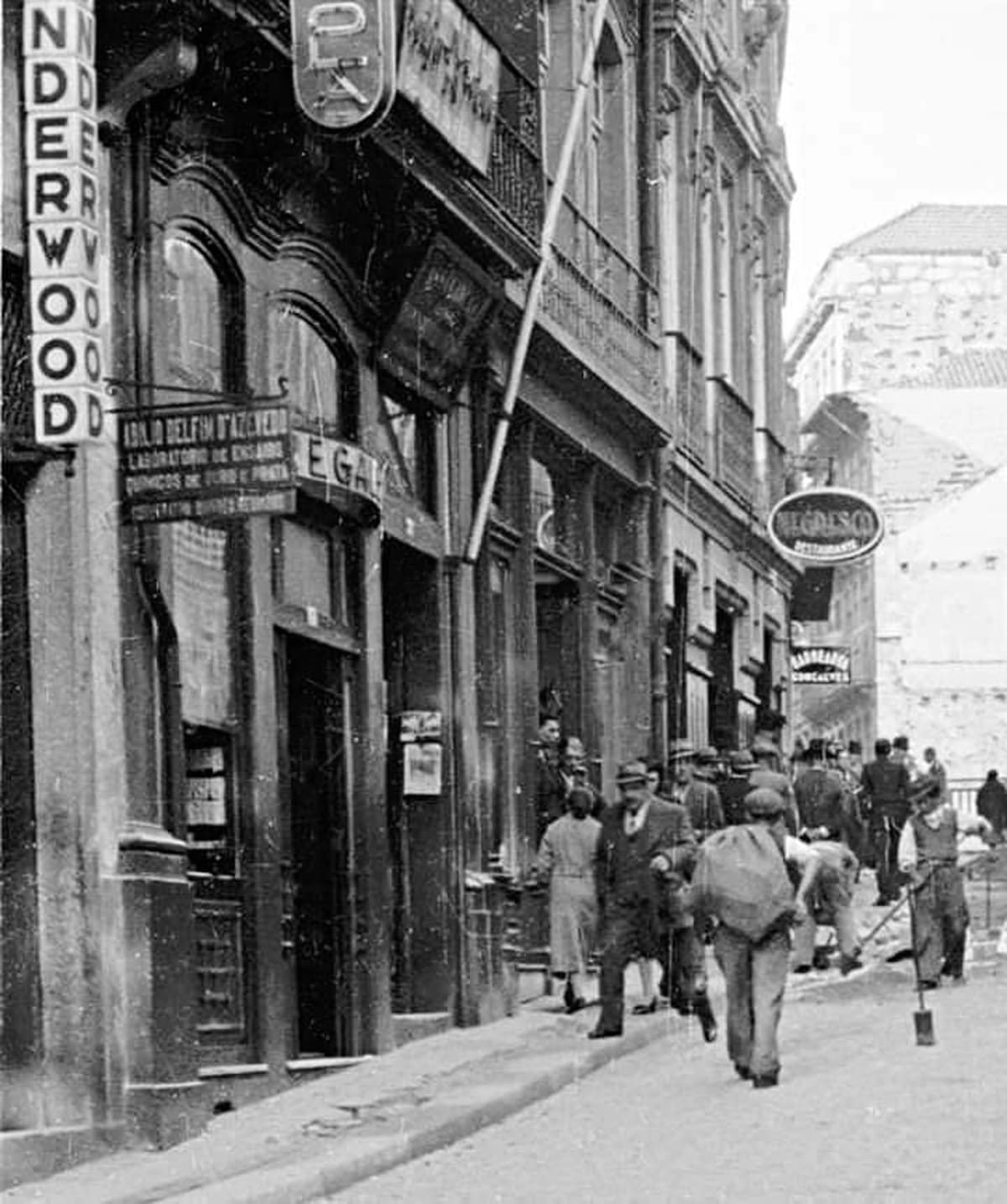
I will admit it from the start: I am not the greatest fan of francesinhas. Do not get me wrong — I respect those who lose themselves in them, but I am more curious about the stories than about the sauce. What truly excites me is discovering the origins of things: where they come from, who invented them, what myths surround them. And the francesinha, whether one likes it or not, has all of that. It is perhaps Portugal’s most famous sandwich, and it carries with it a delicious story, full of exaggerations, reinventions and even a certain cultural teasing. In this article, I invite you to travel with me to the Porto of the 1950s, to meet the creator (or creators?) of this snack, to understand how it became a national icon and, of course, to discover a few curiosities along the way. Because sometimes, more than eating, the best thing is knowing where the thing on the plate comes from.
The origin of the Francesinha: who invented it and why
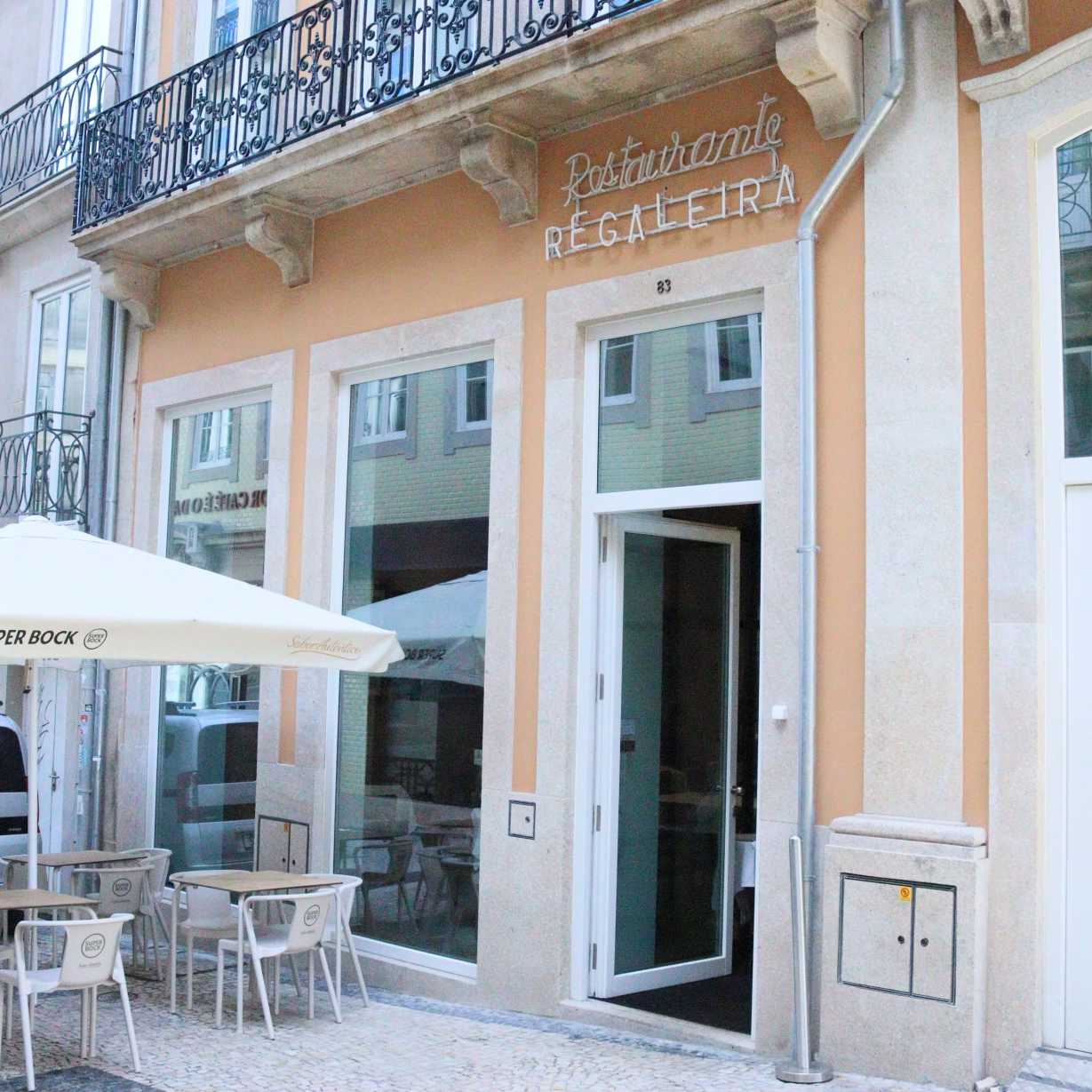
In the window of the old restaurant A Regaleira, in Porto, a proud sign proclaimed: “Francesinha - The first. For 50 years only at Regaleira”. And not without reason: according to legend, it was there that the first francesinha was born, at the hands of Daniel David da Silva, around 1952-53.
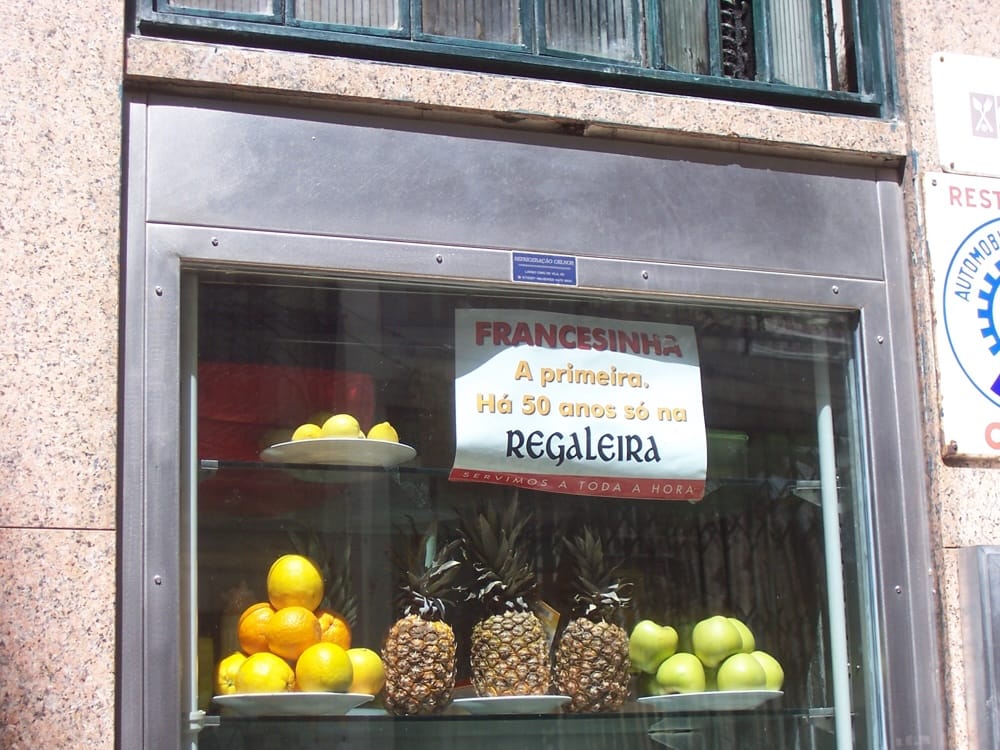
Restaurante A Regaleira, in Porto
Daniel was a Portuguese man from Terras de Bouro who had emigrated to France (and, according to some sources, had also spent time in Belgium) and returned with his culinary baggage full of ideas. Inspired by the classic French croque-monsieur, he decided to reinvent it to Porto taste: he used Portuguese bread, filled it with local meats (linguiça, fresh sausage, ham, steak or roast meat), and covered everything with melted cheese and a secret sauce based on tomato and beer, richly seasoned. Thus was born a sandwich far bolder and more substantial than the Parisian version: he transformed a simple croque-monsieur into something with more soul, overflowing with life and substance.
But why call it “francesinha”? Here the story receives its touch of humour (and perhaps a little mythology). It is said that Daniel was a bon vivant and a womaniser, fascinated by French women, who in the 1950s seemed far more modern and “spicy” than Portuguese women. When creating his sauce seasoned with piri-piri (chilli), Daniel is said to have remembered those “spicy French women” and christened the snack Francesinha in their honour. “The spiciest woman I know is French!”, he supposedly joked. In short, the delicacy gained a feminine and diminutive name — a “little Frenchwoman” — in a playful allusion to the supposed qualities of French women. After all, he wanted to “make Portuguese women (in this case, Portuguese sandwiches) as spicy as French women”!
Like every good legend, there are also those who question these delicious details. Some sources suggest that the story of Daniel David da Silva only became popular decades later (in the 2000s) and may have been coloured by marketing. Even so, the version is so tasty that it settled into popular imagination: Daniel, the inventor, worked behind the counter at A Regaleira (a restaurant on Rua do Bonjardim, in Porto) and served there that nameless sandwich, which began attracting curious customers. By the mid-1950s the snack had officially entered the menu under the name Francesinha and, thanks to word of mouth, quickly spread to other places. The sauce — kept secret — was the soul of the business. It is even said that at Regaleira the original sauce recipe was passed confidentially from person to person and kept under seven locks (legend has it even in a safe!), so precious was it.
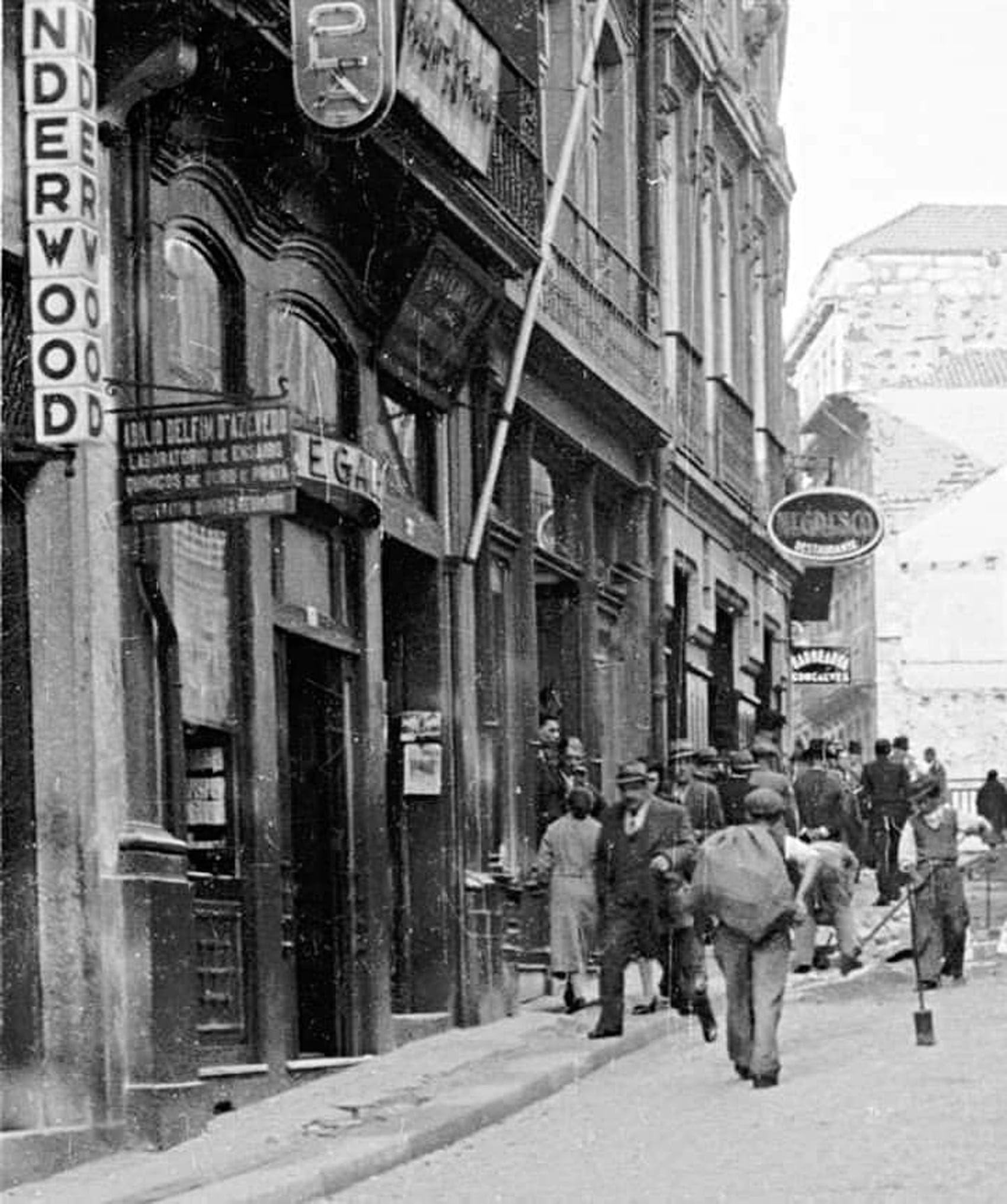
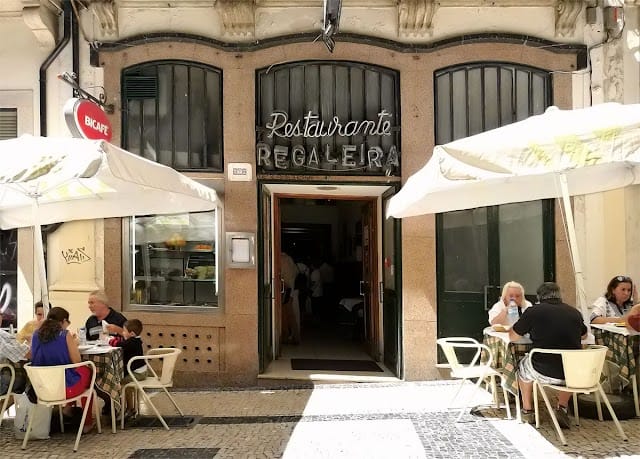
Fact or folklore, the truth is that the francesinha conquered the people of Porto. Daniel David da Silva eventually retired and returned to his birthplace, but his creation gained a life of its own. Restaurante A Regaleira remained the “mother house” of the francesinha for decades, displaying the title of inventor. And Porto gained a new gastronomic ex-libris. Next, to better understand this peculiar birth, it is worth peeking into the urban and cultural context of 1950s Porto: the cauldron in which this innovative idea made sense.
Porto in the 1950s: bohemian life, restaurants and foreign influences
To understand the rise of the francesinha, imagine Porto in the 1950s. Portugal was living through economically modest times, under a conservative regime, but the cities had their own bohemia. Porto, known for its hardworking soul but also for its festive side, had an active nightlife in certain corners of the downtown area: tascas, cafes, casas de pasto and a few beer halls where friends gathered to snack and drink a few finos (draft beers) at the end of the day. There were also emerging “snack bars” — modern little spaces for the time, where one could eat pregos, bifanas and other quick sandwiches. It was in this atmosphere that a generous and unusual sandwich could shine, feeding students, artists, travellers and workers hungry into the small hours.
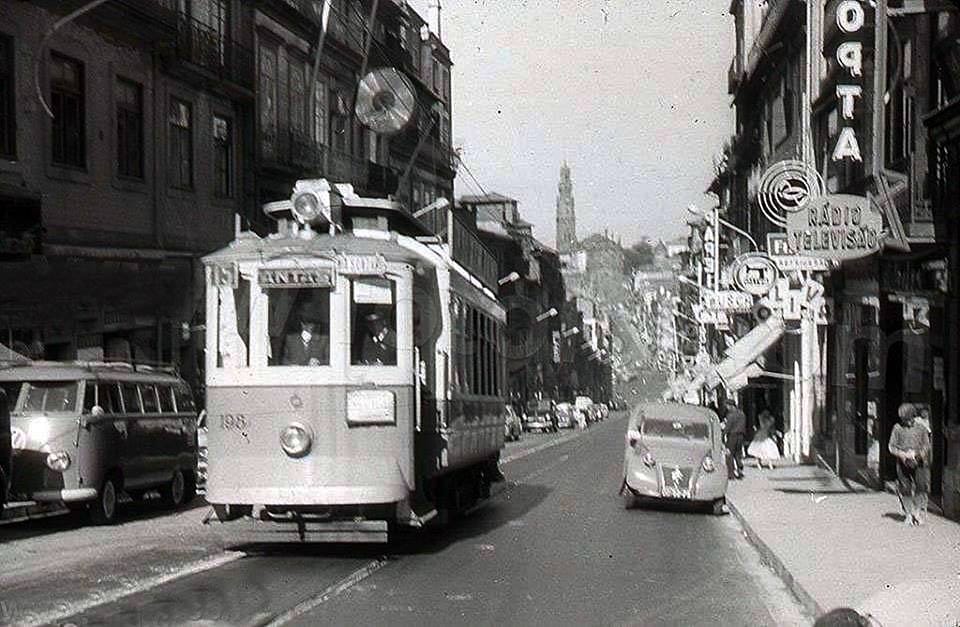
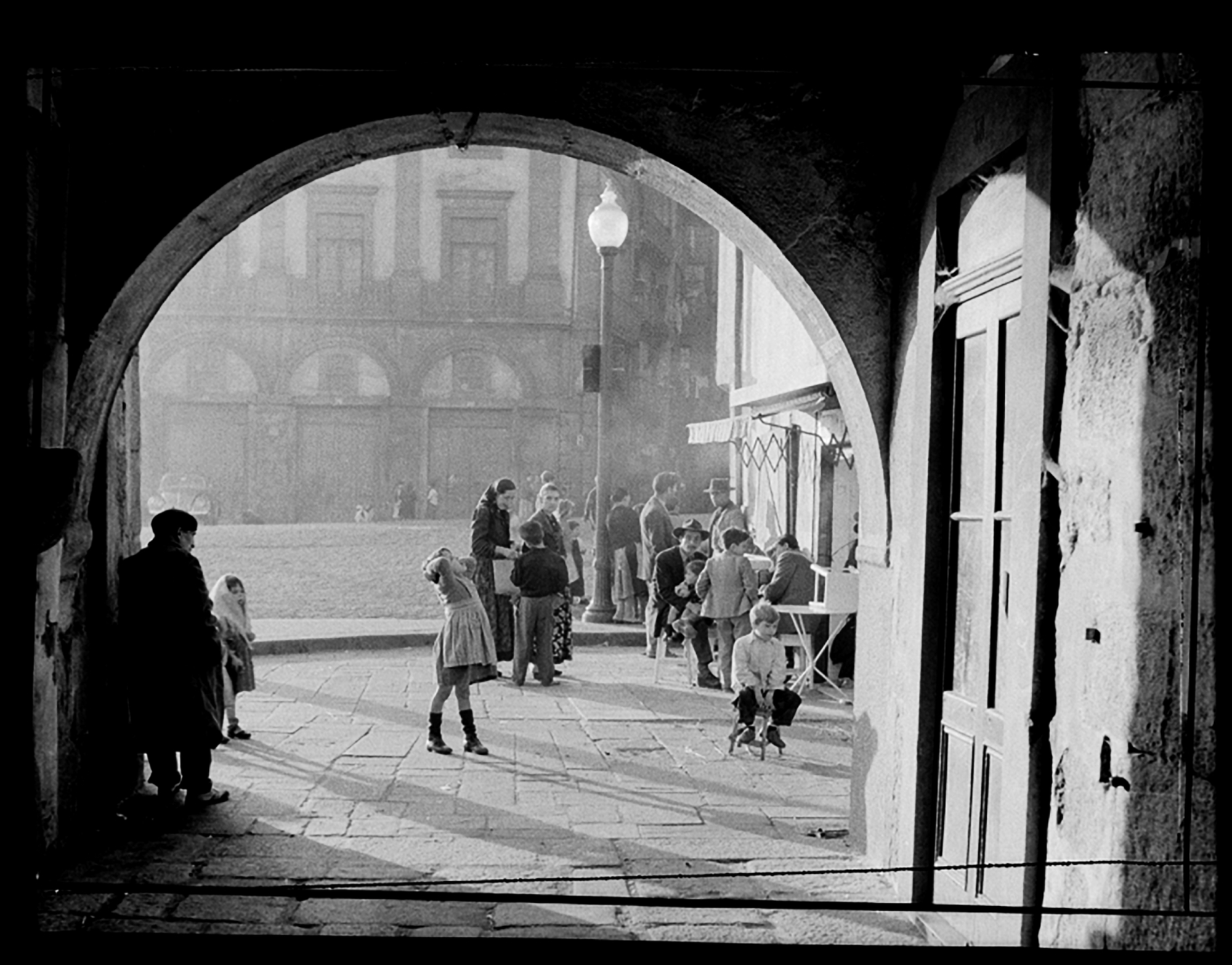
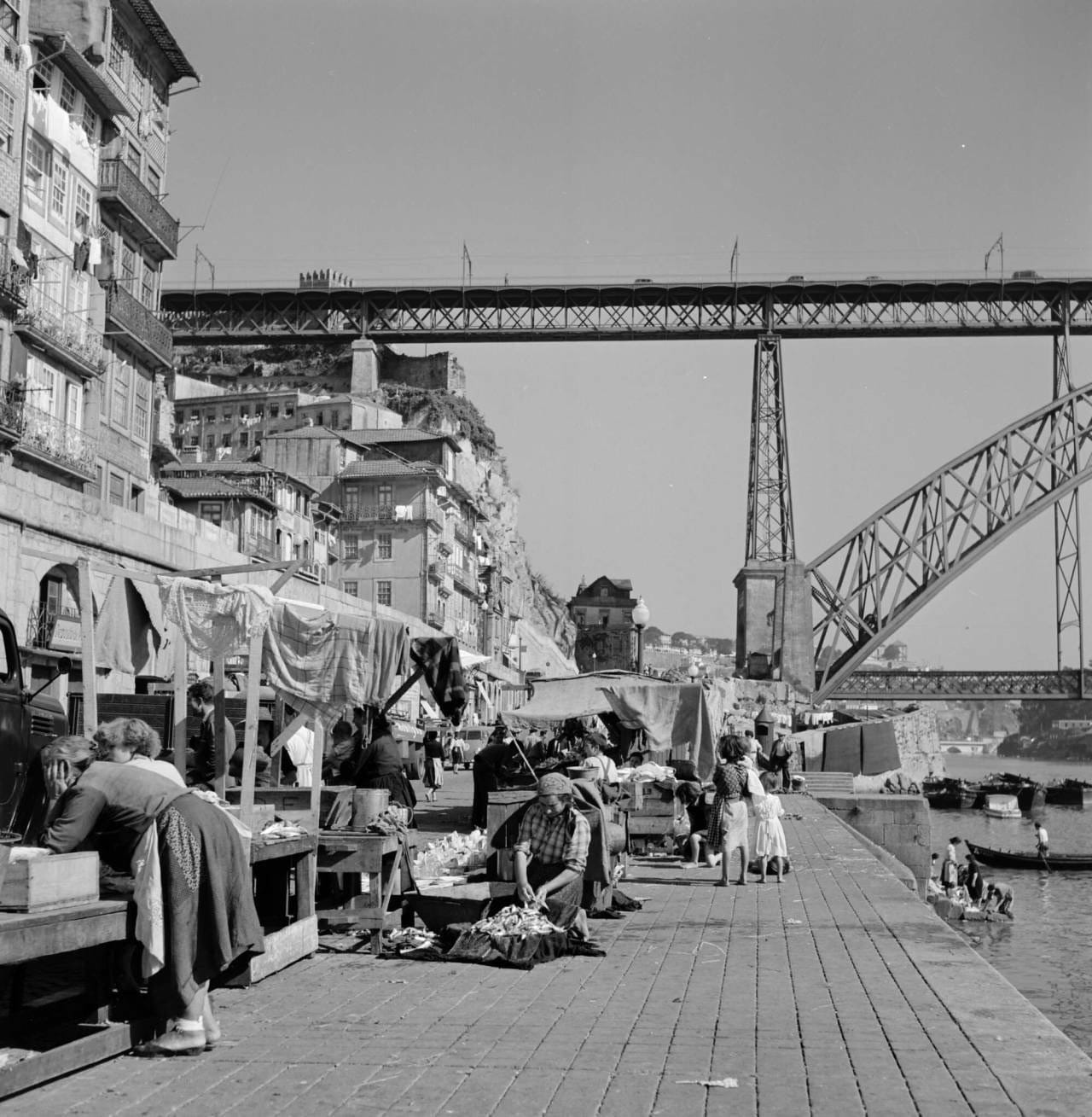
Although we were far from today’s globalisation, foreign influences were already being felt. The people of Porto knew stories of delicacies from elsewhere: the French croque-monsieur (a toasted ham-and-cheese sandwich with Parisian elegance), or even the American hamburger and other international dishes brought by those who travelled or read foreign magazines. Many Portuguese emigrated to France and other European countries in search of work, and some returned with new ideas and tastes. Daniel da Silva was one such case: having lived in France, and also in Belgium, he brought European references with him. Besides that, the city of Porto itself had historic contact with foreigners - one need only recall the British community around Port wine, though that had more impact on filet mignon and roast beef than on sandwiches. In any case, there was fertile ground for adapting international recipes to local taste.
Another important cultural ingredient: Porto’s bohemian and convivial spirit. The 1950s may have been socially conservative, but that did not stop tripeiros (people from Porto) from enjoying good evenings with food and drink. The francesinha fitted perfectly into that way of life. It was a hearty snack-meal that worked at any hour: robust enough to serve as dinner after a night out or as an accompaniment to a few beers, and indulgent enough to be a “reward” for the stomach on special days. Many say the francesinha was conceived as the ideal snack for lining the stomachs of night-time companions — spicy enough to wake the senses, and substantial enough to carry the party. Whether that is true or not, it is certain that the delicacy quickly gained fame among the regulars of Porto nightlife and beyond.
An interesting detail: in Porto in the 1950s and 60s, it was common to distinguish sandwich orders with or without egg. Just as the croque-monsieur has an egg-topped version called croque-madame, the francesinha also adopted that variation. The francesinha with a fried egg on horseback became popular - some say it symbolises the French Madame’s hat - although the original recipe did not include it. This detail shows how, from early on, Porto’s creation conversed with foreign references while gaining a personality of its own.
In short: Porto in the 1950s provided the perfect stage — a city of contrasts, with bourgeois residents and students circulating downtown, a desire to innovate in gastronomy despite the austere political climate, and a culture of conviviality around the table. The invention of the francesinha is the fruit of that cultural cauldron: an unlikely marriage between French cuisine and Portugueseness, blessed by Porto’s bohemian appetite. And once introduced to the public, the francesinha quickly stopped belonging only to Regaleira and became part of the city’s emotional heritage, replicated in cafes, beer halls and snack bars across the Invicta.
From the original version to modern ones: the evolution of the Francesinha
The francesinha was born simple (well, “simple” may not be the word for a dish so heavily filled, but let us understand it this way: it was born pure, in its original form) and today has countless variations and creative interpretations. Let us travel through time and see how this snack evolved, between sacred traditions and wild inventions, and how the Portuguese developed such a strong emotional relationship with it.
The original recipe, served at Regaleira in the 1950s, had a few differences from most francesinhas served today. To begin with, it was not made with sliced bread, but with a special elongated bijou roll (like a small cacete) with five corners. Instead of beef steak, it used sliced roast pork (roast leg) between the layers of cheese and cured meats. And, astonishingly, it had no fried egg and did not come with chips — those additions became common later. The “original francesinha” was, then, a kind of cheese-gratinated sandwich, covered in spicy sauce. According to the guardians of tradition, if one asks for an authentic francesinha at Regaleira today, they still serve it in that old form, for anyone who wants to taste how it all began.
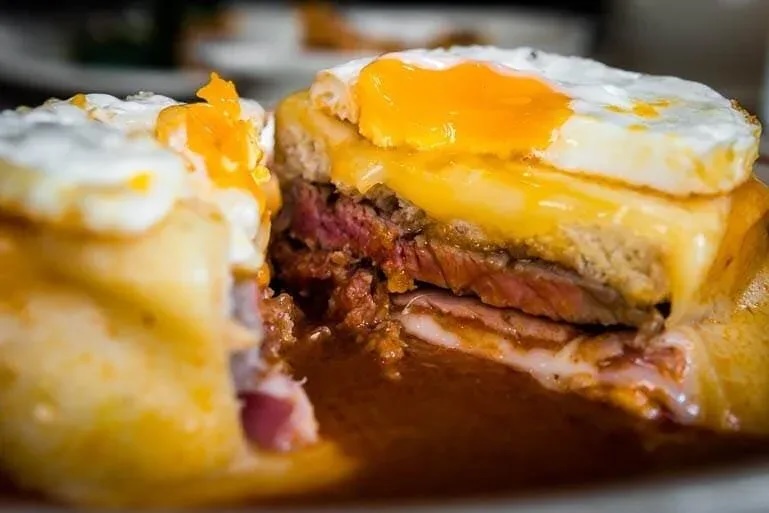
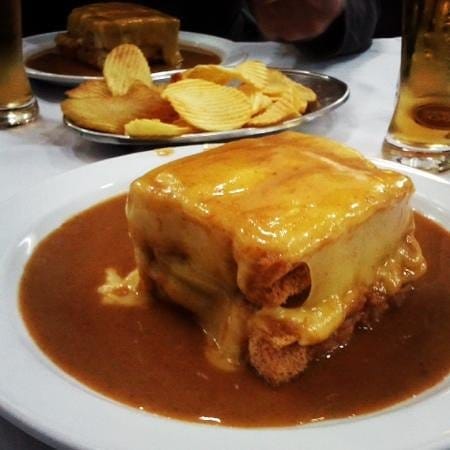
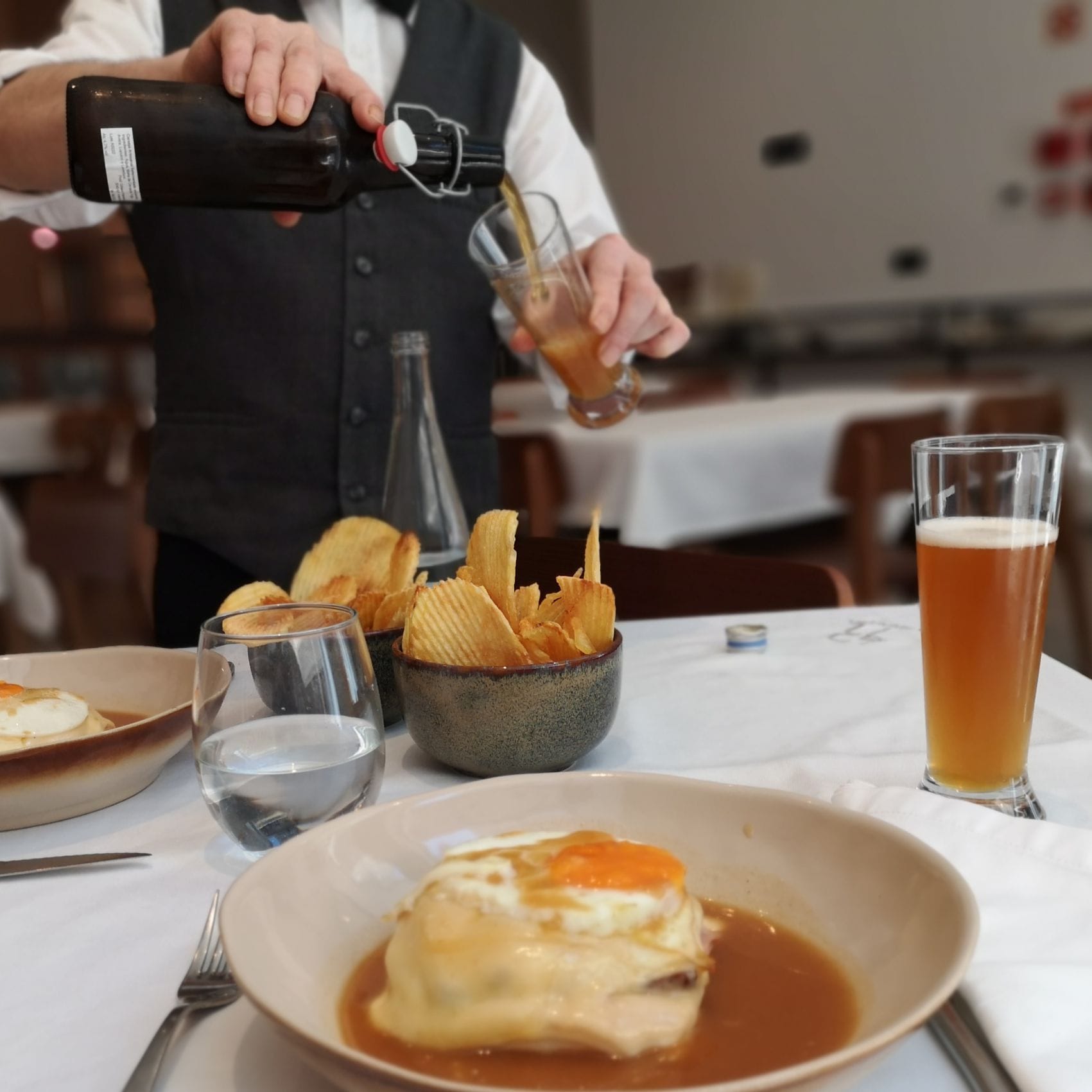
Of course, once the francesinha spread to other establishments, each house added its own touch. By the 1960s, francesinhas were already appearing in Gaia and Matosinhos too — it is said that a friend of Regaleira took the sauce recipe to Café Mucaba in Vila Nova de Gaia, helping the dish spread early on. Each restaurant began creating its own “secret” sauce, which became almost a friendly competition: some sauces are thicker, others thinner, some redder with tomato, others browner with beer, some include Port wine, others a touch of brandy — but no one reveals the full formula. That mysticism around the sauce is part of the francesinha’s aura; many fans swear loyalty to the sauce of their favourite house and say the secret “dies with the cook”.
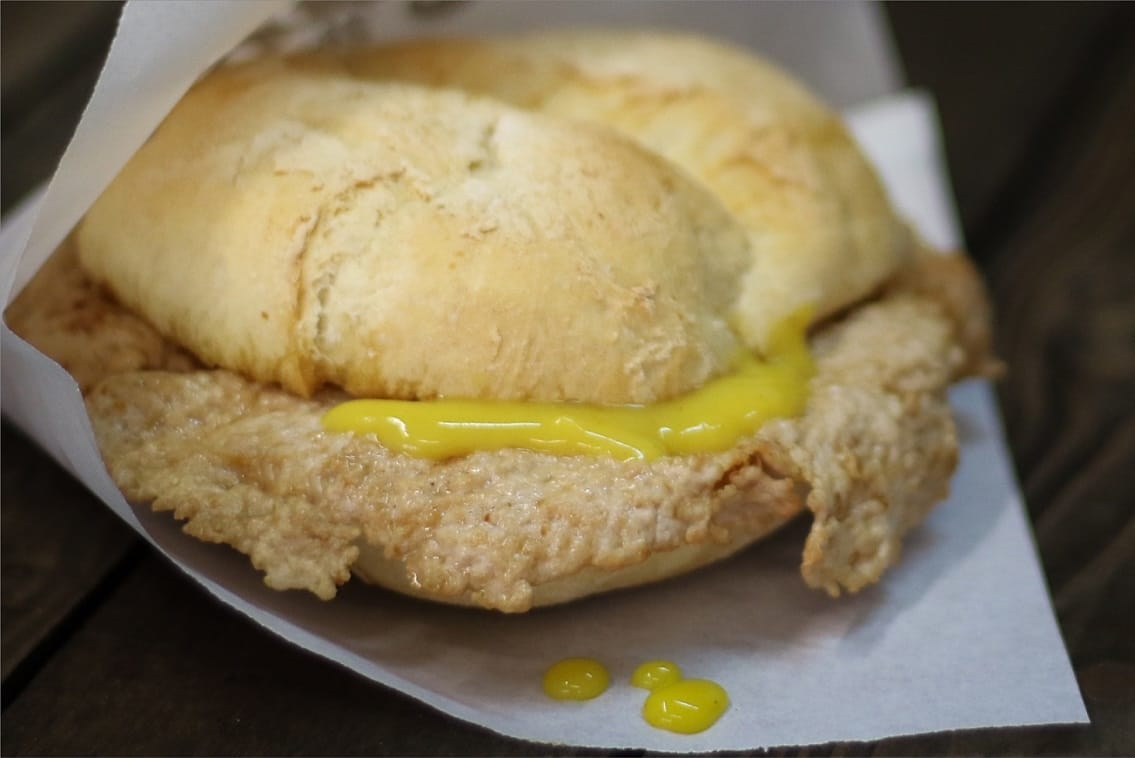
Over time, filling variations also appeared. Although the original “holy trinity” is linguiça, fresh sausage, ham and that meat (steak or roast) interleaved with cheese, some places experimented by replacing or adding ingredients. Francesinhas with mushrooms appeared, with chicken instead of red meat, with pulled pork, and even with tuna or cod in maritime versions. In the 1960s, in Póvoa de Varzim, a local variant was created: the francesinha poveira. This Póvoa version had its particularities: it was served in a soft cacete-style bread (known there as “pão de francesinha”), filled with ham, linguiça, cheese, butter and mustard, with sauce on top. At first, it was made to be eaten by hand, wrapped in a napkin, as quick food for people leaving the beach — a portable francesinha, one might say. Only later did Póvoa also adopt the plated version with chips, calling it “francesinha especial”. To this day, the Francesinha Poveira survives as a distinct speciality, a kind of “cousin” of the Porto version.
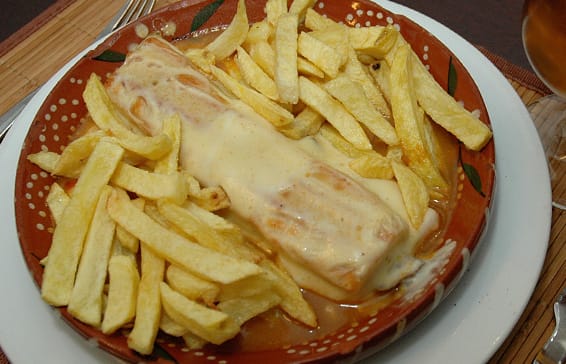
Francesinha Poveira
In the following years, and especially from the 1980s and 1990s onward, francesinha fever only grew. The dish spread throughout the country — first across the north, then the rest. Each city tried to replicate the Porto delicacy to soothe the longing of students and workers who had moved away from Porto (after all, whoever tastes a good francesinha becomes a fan). In Lisbon, Coimbra and other cities, restaurants specialising in “Francesinha à moda do Porto” began to appear. Of course, tripeiros will say that outside Porto none tastes the same — and there is some sentimental truth in that. Even so, the expansion turned the francesinha into a national phenomenon.
Francesinhas outside Porto
The francesinha was born in Porto, but it quickly spread to other northern cities, gaining accents of its own. Braga and Vila Real are two good examples of how the recipe evolved without losing its soul. Each city gives its own touch to the sauce, the type of meat and even the way it is served. Here is what changes — and where it can be felt.
Braga: buttery, thick and with a hint of queue
In Braga, the sauce tends to be thicker, yellowish in colour and with a more buttery flavour than Porto’s. There is a tendency to experiment: softer meats, creative combinations and a certain sophistication in plating. The dominant style is often known as “à Belga”, a name inspired by one of the most sought-after restaurants in the city — Taberna Belga — where the sauce divides opinions but the queue in the street is almost always unanimous. For those who prefer to avoid long waits, there are good alternatives in the centre such as Londrina (closer to the Belga style) or Eusébios (closer to the traditional Porto style).
Vila Real: thick and cocktail-like
In Vila Real, the sauce is also thick, but stands out for a flavour reminiscent of cocktail sauce, with sweeter and more aromatic notes. The base usually remains faithful to tradition: bread, steak, linguiça, cheese — but the sauce is what makes the difference. Here, the francesinha is often treated as a robust comfort dish, with Transmontano roots. One emblematic restaurant is Cardoso, known locally for keeping the intense, homemade flavour of the traditional francesinha, without yielding to fashions or modulations.
Creative Exaggerations
With fame came the “creative exaggerations”. Today one finds everything: mega francesinhas with everything inside (there are houses that add bacon, chouriço and who knows what else, turning the sandwich into a caloric tower), francesinha with prawns or seafood (heresy to some!), gourmet versions with artisanal bread and exotic meats, and even hybrid experiments such as “francesinha pizza” or “francesinha rissol” — yes, creativity has no limits. In 2018, a Porto restaurant created what was called “the largest francesinha in the world”, weighing more than 5 kg! It was a giant francesinha intended for eating challenges — and some managed to devour it in under an hour, winning 250 euros for the feat. This fashion for challenges, imported from the USA, shows how the francesinha has also entered today’s pop culture.
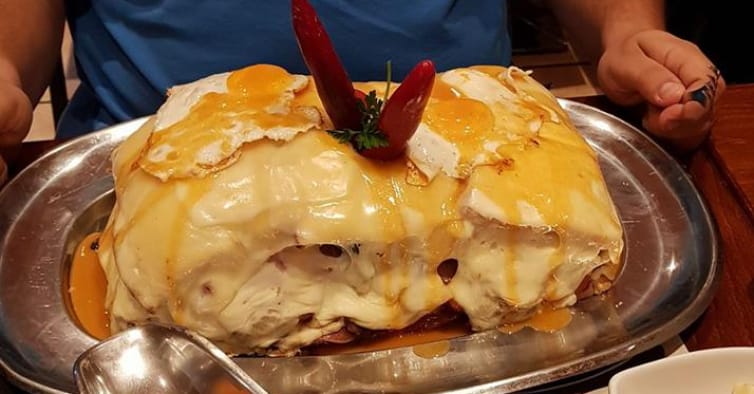
The largest Francesinha in the world, 5KG
A typical francesinha served with its sea of sauce and chips on the side perfectly exemplifies the generosity of this dish. Each component has a role: the bread absorbs the sauce, the meats give substance, the cheese binds everything together and the sauce… ah, the sauce is liquid (spicy) poetry that elevates the experience. No wonder Portuguese people and foreigners alike surrender to it: those who taste it describe the francesinha as “a party on the plate” and always come back for more. From its humble origin in a Porto kitchen in 1953 to tables across the country, the francesinha has evolved and multiplied, but without ever losing that mischievous, savoury spirit that made it famous.
Before finishing, let us move to one last section: where to eat a good francesinha, for true lovers (or mere curious souls) of the francesinha. After all, a story this rich deserves a few extra morsels of information!
Where to eat a good Francesinha (in Porto and beyond)
To speak of francesinha and not suggest where to try one would be unforgivable! Here are a few iconic restaurants where one can savour this dish, both in Porto and beyond:
And although I still am not a devotee of the francesinha — perhaps because I have never found the one — after diving into this story I better understand the passion it awakens. Deep down, every dish is also a narrative: it has origins, conflicts, protagonists and even improbable endings. And that, for me, is the tastiest part. If the francesinha continues to divide opinions and reinvent itself decade after decade, it is because it has soul. And that is already a great deal. Bom apetite — or, if you are like me, good reading.