The Origin of the Prego: How a Steak in a Bun Conquered Portugal
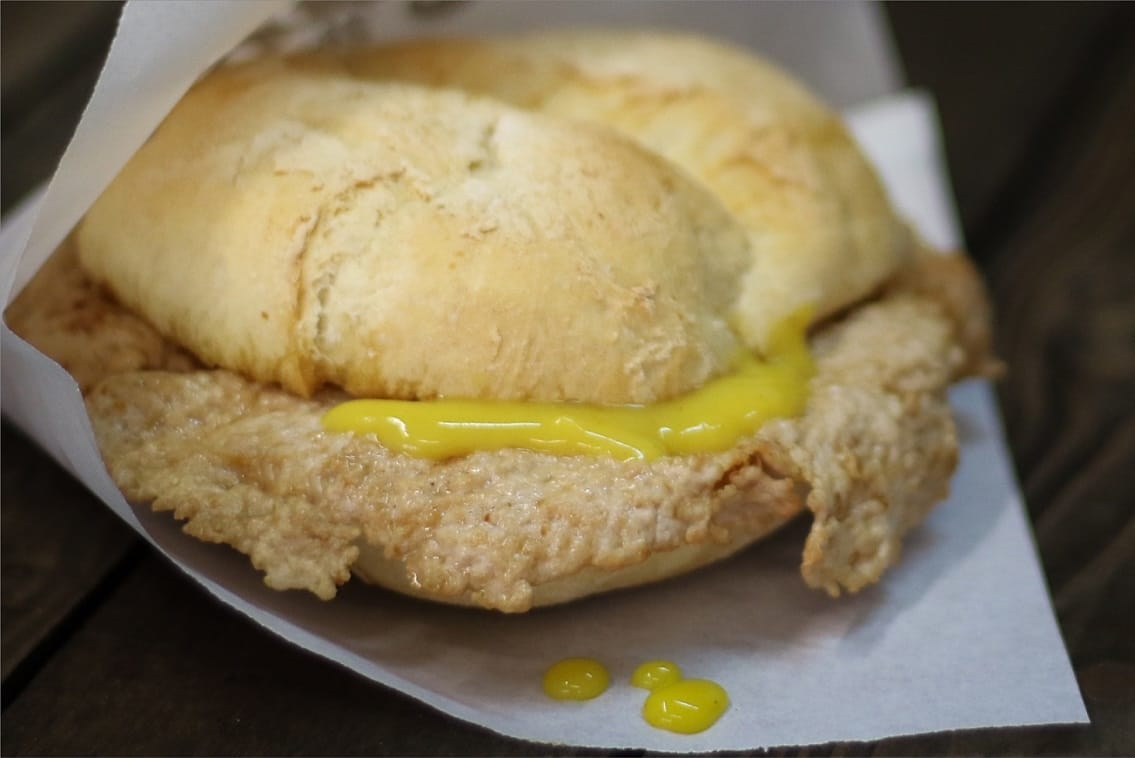
The prego sandwich is typical of Portugal — a tender beef steak served in bread, usually a papo-seco, often seasoned with garlic and mustard or hot sauce.
The prego sandwich is typical of Portugal — a tender beef steak served in bread (usually a papo-seco) and often seasoned with garlic and mustard or hot sauce. This snack became a classic of Portuguese beer halls and taverns, with a curious story behind its name and its spread across the country.
Origins in the late nineteenth century
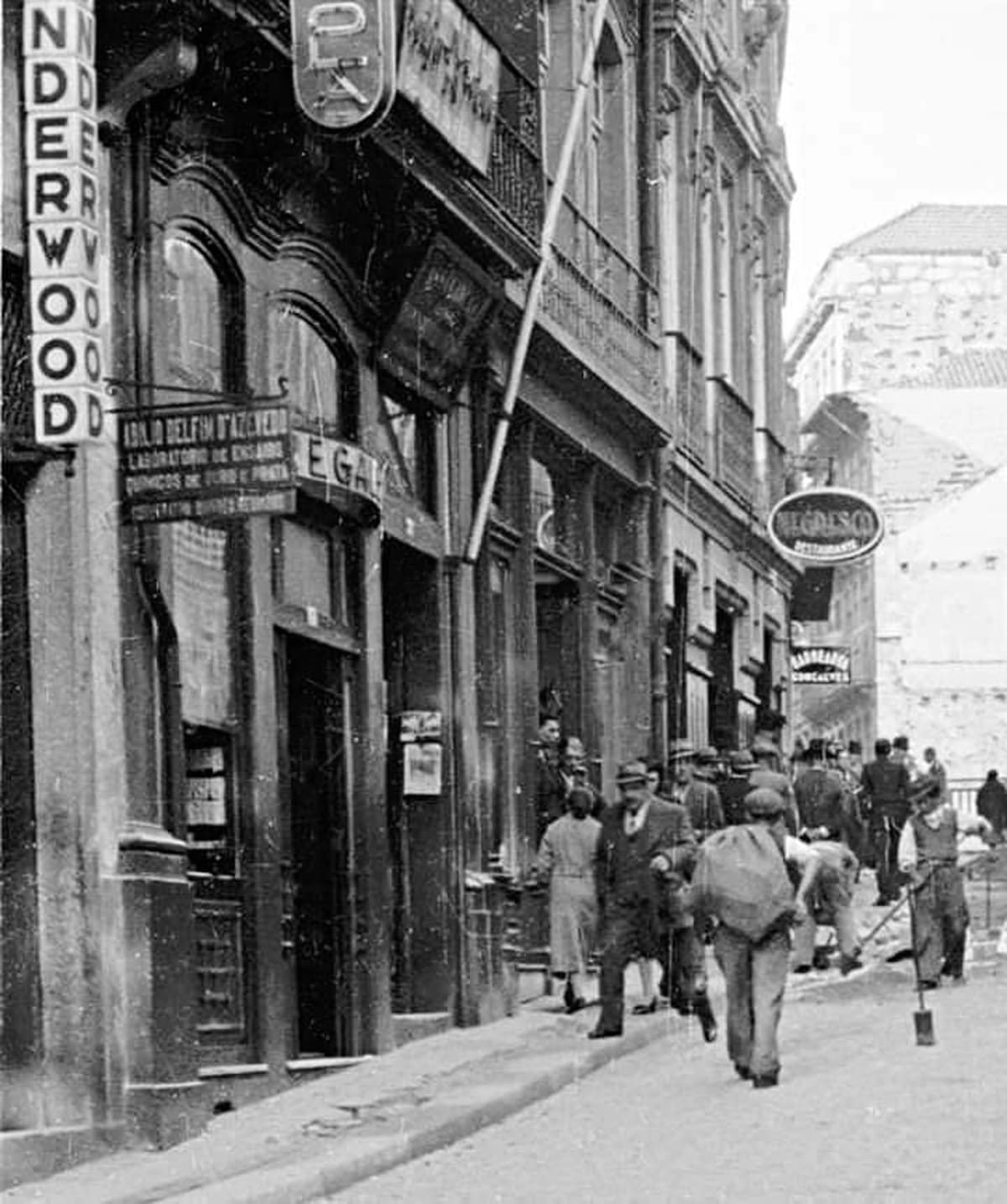
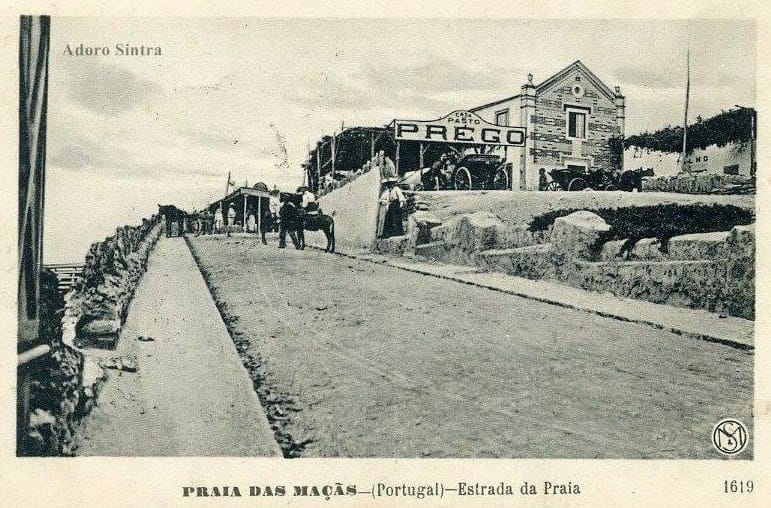
The historical origin of the prego in bread dates to the late nineteenth century, in the Sintra area. In 1889, Manuel Dias Prego — one of the first inhabitants of Praia das Maçãs, then a recent seaside resort — opened a small local tavern. That tavern, later known as Taberna Prego, stood somewhere on the front line of the beach on Rua Nossa Sra. da Praia. Manuel served slices of veal (beef steak) fried or grilled inside fresh bread, accompanied by Colares wine from the region. And, a rare thing at the time, the tavern had a terrace. The dish quickly caught on among holidaymakers and residents of Praia das Maçãs and the surrounding area, gaining fame for the quality and flavour of the snack. The business flourished and the tavern became a restaurant (first image).
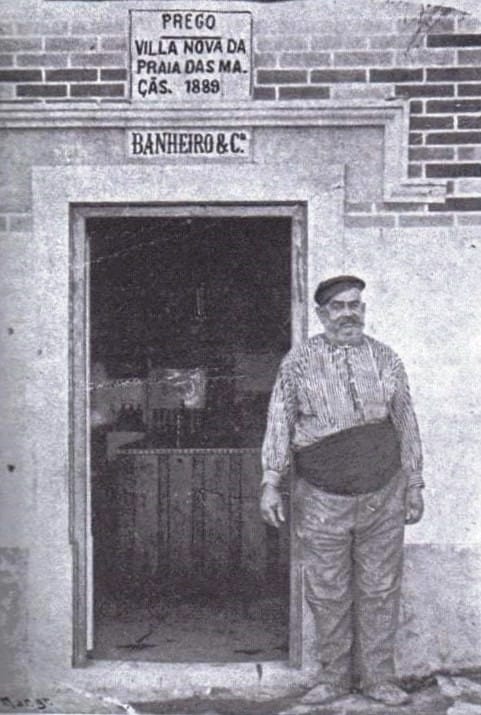
Taberna do Prego de Manuel Dias Prego. Praia das Maças, Sintra, 1889.
The name “Prego”: stories and legends
With the snack’s popularity, the sandwich came to be called simply “prego”, in direct allusion to its creator’s surname, Manuel Dias Prego. Thus, around the start of the twentieth century, the inventor’s name became associated with the dish across the country, entering popular vocabulary to designate this steak in bread.
However, there is also a popular legend to explain the origin of the name. It is said that the term came from the habit of pounding steaks with a kitchen mallet to tenderise them, literally “nailing” garlic into the meat before cooking. That is, the dry blows sounded like hammering nails on the kitchen board. Though picturesque, this legendary explanation is seen as folklore; the more accepted version is that the sandwich was named in honour of Manuel Prego, the tavern keeper who created it.
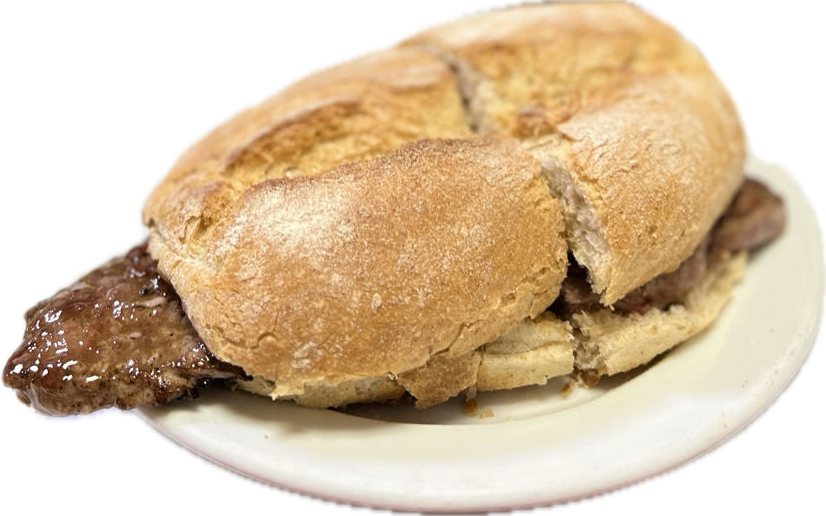
Typical Prego in Papo-seco
Popularisation and evolution over time
After its appearance in Sintra, the prego-in-bread recipe spread quickly. In the early twentieth century other establishments began to imitate the dish, and the prego became a fixture on tavern and café menus across the country. Over time it remained a quick, economical meal, appreciated both to stave off midday hunger and as a snack to accompany an evening beer.
Initially, the prego in bread was quite simple — just the beef steak inside the bread, sometimes with a little sauce from the cooking. Over the decades, small changes were introduced: for example, it became common to moisten the bread with the meat juices and add mustard or hot sauce to enhance the flavour. Later, melted cheese on top of the steak (the prego com queijo) became a popular variation — absent from the original recipe, but today hard to do without in many places. In some cases ham or even a fried egg is added on top of the meat, turning the prego into a more substantial meal. Another evolution was the prego no prato, where the steak is served on a plate (usually with chips, rice, salad and egg) instead of in bread — a variant close to the traditional bitoque.
Although beef is traditional in this dish, in recent history versions with pork appeared, especially during the “mad cow” crisis in the early 2000s, when many avoided beef. Despite that, the prego remained mostly beef and continued to be one of the Portuguese favourite snacks throughout the twentieth century and to this day.
Significant regional variations
With the prego’s national spread, some notable regional variations emerged, adapting the recipe to local tastes or available ingredients:
• Lisbon and central Portugal — The classic prego in bread form is kept, served in a crisp papo-seco. In the Lisbon region the custom spread of savouring a small prego as “dessert” after a seafood meal, using the steak in bread to close the shellfish feast with a strong note of meat and garlic.
• Alentejo — There is the so-called prego no pão à regional, which besides the steak usually includes strips of bacon, egg and peppers, giving the sandwich a richer, more substantial character. Melted cheese may also be part of this version.
• Madeira Island — The prego became a local speciality served in bolo do caco, traditional Madeiran bread. The steak (often marinated with garlic and bay) is grilled and placed in bolo do caco spread with garlic butter. It is common to add slices of ham, cheese, lettuce leaves, tomato and even egg, creating the so-called prego especial madeirense. This version offers a distinct flavour thanks to bolo do caco and typical Madeiran garlic butter.
• Azores — In the Azores, prego in bread is also appreciated and adapted. In Ponta Delgada (São Miguel) a Prego Festival is even held, gathering various local variants and annually choosing the best prego in bread, which shows the dish’s popularity and regional adaptations in the archipelago.
Besides these variations, pregos with other additions can be found according to each house or cook’s creativity, but the basic principle — a good tender beef steak inside bread — remains unchanged. In Portuguese-speaking countries such as Angola or Mozambique the prego was also adopted, often with local influences (for example, using piri-piri or other typical seasonings).
In sum, the prego sandwich was born modestly in a Sintra tavern in the nineteenth century and, thanks to its flavour and simplicity, evolved into a true classic of Portuguese gastronomy. Between historical facts and culinary legends, prego in bread won generations of admirers and spread from north to south of the country — and the islands — taking on regional variations while preserving the essence of a tasty steak in bread, eternal homage to Sr. Prego. Where the Taberna do Prego once stood, there are now residential houses at Praia das Maçãs in Sintra.
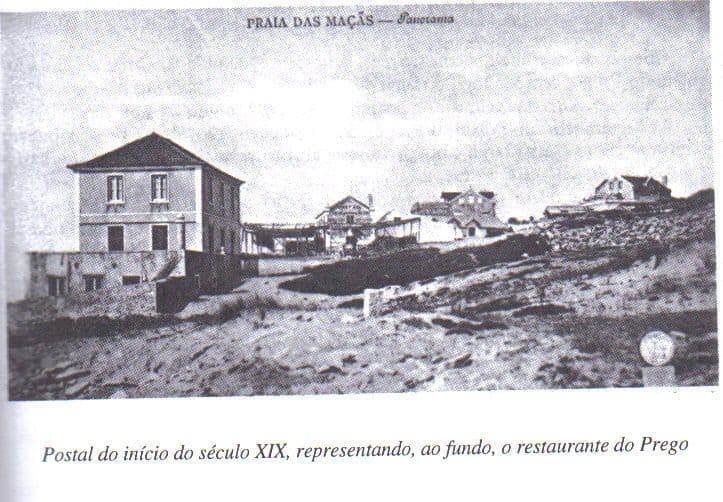
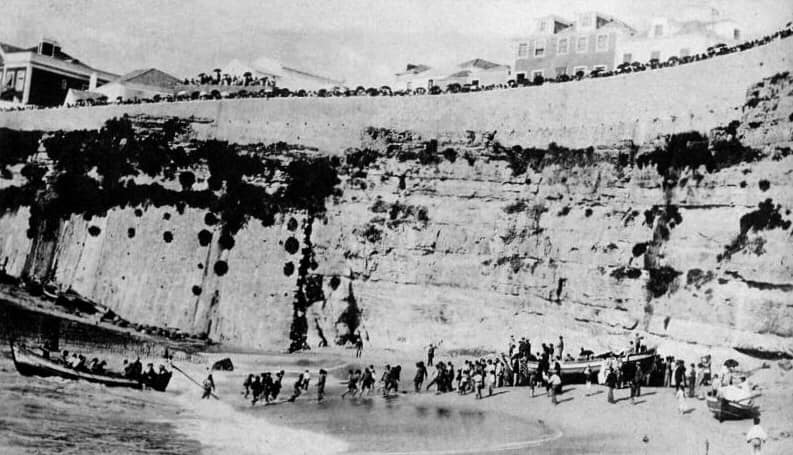
Praia das Maças, Colares, Sintra